
A cost-reduction exercise moves the tables underpinning daily operational dashboards to cold archival storage. What is the likely outcome?
Select an answer to reveal the explanation.
Short Explanation
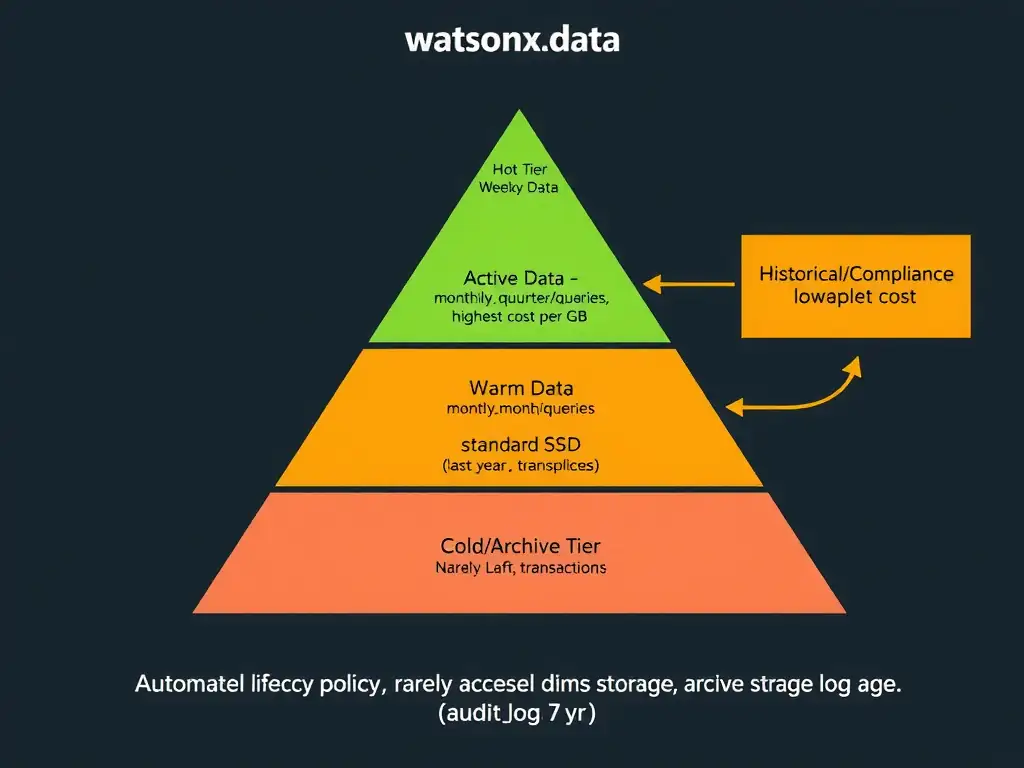
Archival tiers are cheap because retrieval is slow and often charged. Put your daily dashboards there and you’ll pay the saving back in retrieval fees and irritated users.
Full Explanation
The likely outcome is that dashboard queries become slow or subject to retrieval delays and costs, because actively accessed data was placed on a tier designed for rare access. Archival tiers trade access characteristics for storage price. Data read every day incurs those retrieval penalties every day, so a workload that depends on it becomes slow and can end up costing more overall. The option saying dashboards continue unaffected because tier placement is invisible to queries is incorrect because tier placement directly affects access latency and retrieval cost; it is not transparent for archival tiers. The option saying tables become unreadable until they are re-registered in the catalog is incorrect because catalog registration is unaffected by physical placement. The option saying the cost saving is offset only by a small increase in storage billing is incorrect because the offset is retrieval latency and per-access charges, not a storage line item. For the exam, cold tiers suit rarely accessed retained data; active data belongs on a performance tier.