
A watsonx.data administrator needs to make a new Amazon S3 bucket of Iceberg data available for querying. They have added the bucket in Infrastructure Manager and supplied valid credentials, but no tables are queryable yet. What is the missing step?
Select an answer to reveal the explanation.
Short Explanation
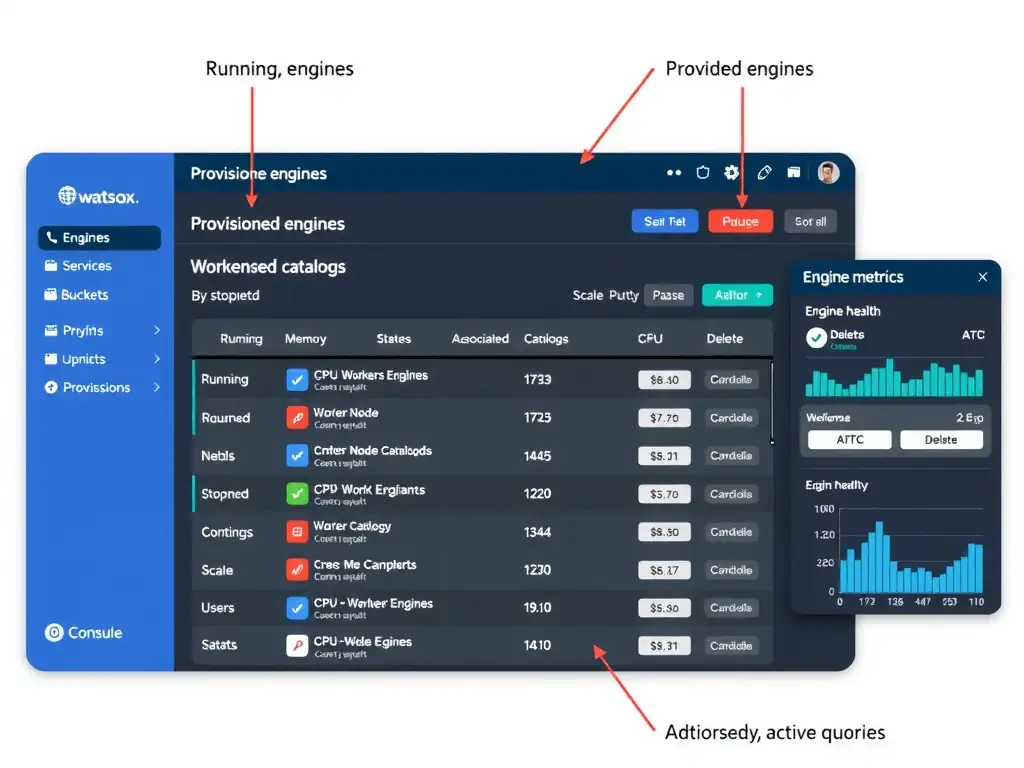
Adding the bucket only tells watsonx.data where the bytes live. You still need to register a catalog for the bucket and associate that catalog with an engine so a query engine can understand and use the tables. Storage, catalog, engine - all three, in that order.
Full Explanation
The correct answer is registering a catalog for the bucket and associating that catalog with an engine. Storage registration and metadata registration are separate concerns in watsonx.data. Adding a bucket gives the platform a location and credentials; a catalog supplies the table metadata layered over that location; and associating the catalog with an engine is what makes those tables queryable from that engine. Skipping either of the last two steps leaves a correctly registered bucket that nobody can query. Copying the bucket contents into the platform's internal storage before querying is incorrect because it defeats the point of the lakehouse. Data stays where it is on object storage and is queried in place through open table formats; copying it in creates a second copy to govern and keep current. Changing the bucket's credentials to the administrator's personal access key is incorrect because the question already states the credentials are valid. Substituting a personal key would also make the bucket's availability depend on one individual's account, which is exactly the pattern platform credentials exist to avoid. Waiting for the platform's scheduled discovery job to detect the new tables is incorrect because there is no passive discovery that will eventually surface the tables. Catalog registration is a deliberate administrative act, not something the platform infers. For the exam, be able to state the order: register the bucket, register the catalog, associate the catalog with the engine.