
A source system is queried infrequently, is subject to strict residency rules, and its owners will not permit copies. Which integration pattern fits?
Select an answer to reveal the explanation.
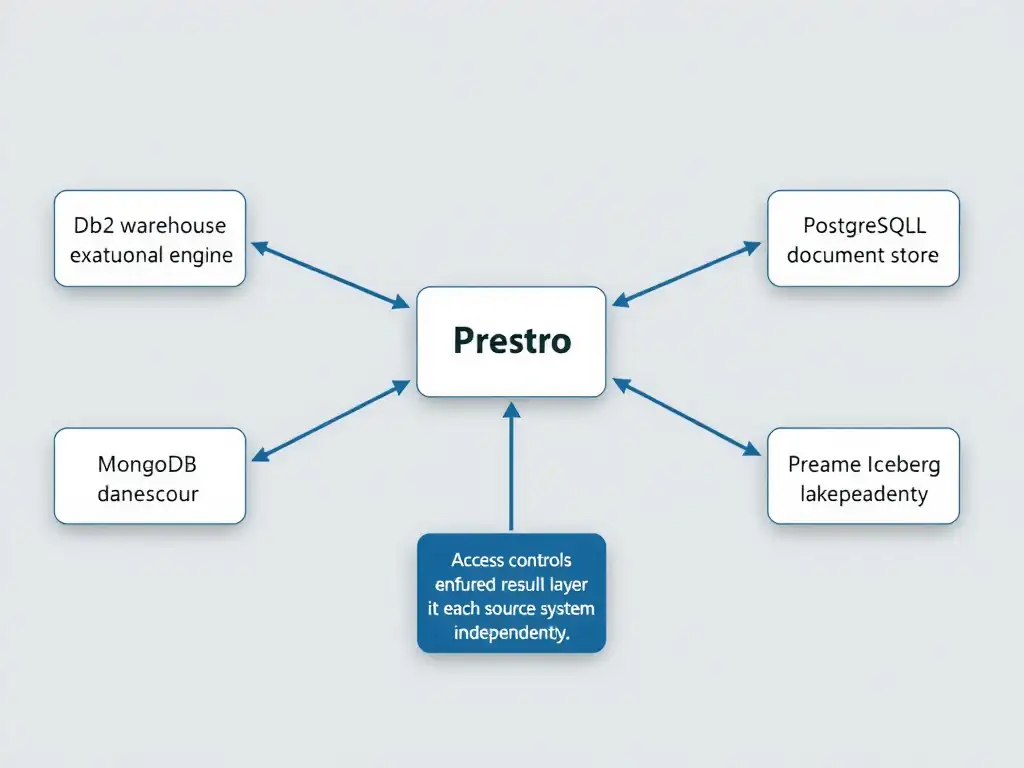
Short Explanation
If the source owners won't permit copies and queries are infrequent, you want federation because it reaches the data in place. Every ingestion pattern makes a copy somewhere, and that's exactly what you can't do.
Full Explanation
The correct answer is the federation pattern, because federation queries data where it lives, so no copy is created. That satisfies residency and no-copy constraints directly, and infrequent access means the per-query cost of reaching the remote source is acceptable.
The scheduled batch ingestion pattern is incorrect because scheduled ingestion creates copies, and deleting them afterwards does not undo the fact that regulated data was moved.
The full one-time load pattern is incorrect for the same reason: a single copy is still a copy, and it also goes stale.
The manual extracts pattern is incorrect because manual extracts create ungoverned copies while adding human latency and no repeatability.
For the exam, no-copy plus low query volume points to federation; high volume with repeated heavy analytics is what justifies ingestion.