
A platform team is designing a graduated autonomy program for a dependency-update agent. In Phase 1, the agent proposes PRs for human approval. In Phase 2, it can auto-merge PRs that pass all CI checks. In Phase 3, it is allowed to tag and release patch versions. Which condition MOST appropriately gates the transition from Phase 2 to Phase 3?
Select an answer to reveal the explanation.
Short Explanation and Infographic
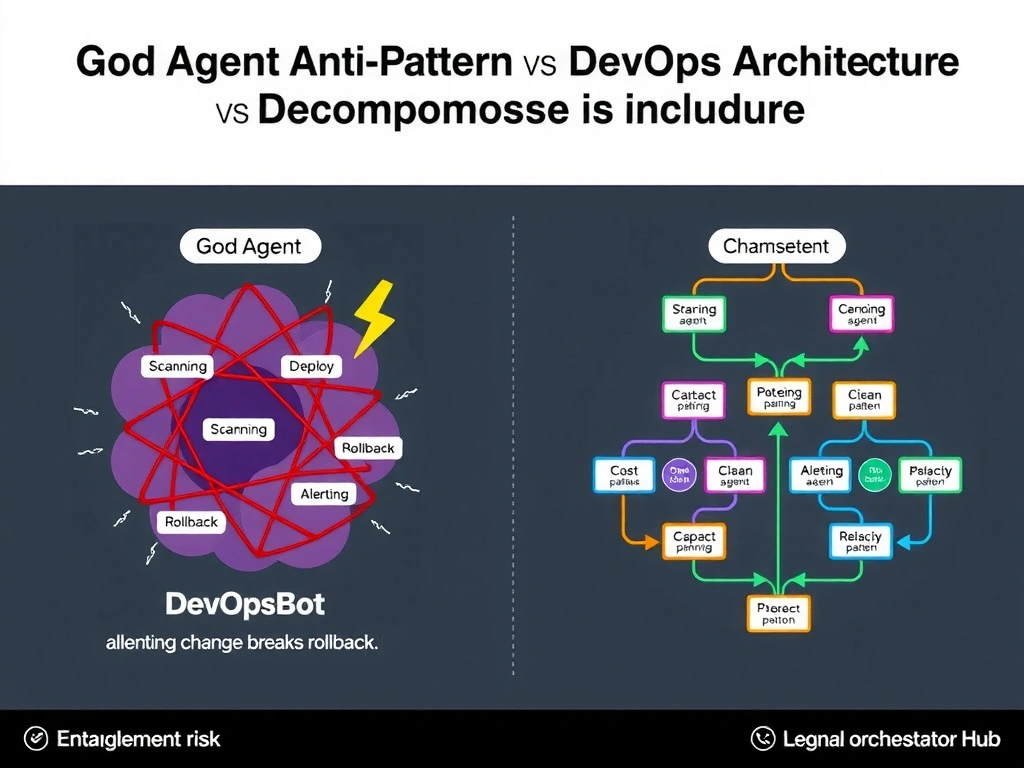
Earning a driver's license doesn't mean you're ready to drive an 18-wheeler — each level of autonomy should be gated by evidence, not just time served. A 95% CI pass rate proves the code is mergeable, not that it's safe to release. Phase 3 requires both a meaningful production track record and explicit human authorization because releasing software carries external customer impact that merging code does not.
Full explanation below image
Full Explanation
Graduated autonomy programs must gate each phase transition on evidence that directly corresponds to the new power being granted. Phase 3 is not 'merge code' — it is 'cut a release and push an artifact that customers will receive.' That is a qualitatively higher-stakes action.
Option A (30 days) is insufficient because it is purely time-based with no quality bar. An agent could spend 30 days merging changes that caused silent regressions caught only in production. Duration without outcome data tells you nothing about readiness.
Option B is correct because it combines three essential elements: (1) a meaningful observation window (90 days) long enough to capture diverse dependency types and edge cases; (2) a zero production incident requirement, which is the correct outcome metric for 'is this agent safe to trust with more power'; and (3) explicit human authorization, which maintains accountability and ensures the transition is a deliberate decision, not an automatic promotion. The human release manager approval also creates a governance artifact.
Option C is seductive because CI pass rate is a real signal, but it measures whether tests pass before merging — not whether merged changes caused problems in production. An agent could consistently pass CI and still ship changes that degrade performance, break integrations, or create supply-chain risks.
Option D (ticket-based activation) is a process formality without any quality gate. It relies entirely on organizational process rather than agent performance data. The engineering manager's confidence is not evidence of agent safety.