
A multidisciplinary diabetes clinic is revising its patient education handouts and clinical note templates to align with professional practice standards on reducing diabetes-related stigma. Which wording change best reflects person-first, empowering language?
Select an answer to reveal the explanation.
Short Explanation
Words shape how people feel about their care long after they leave your clinic. Choosing person-first, neutral phrasing builds trust and keeps the focus on physiology rather than blame. The trap is sticking with old medical shorthand like 'noncompliant' or 'diabetic' that quietly fuels shame and disengagement.
Full Explanation
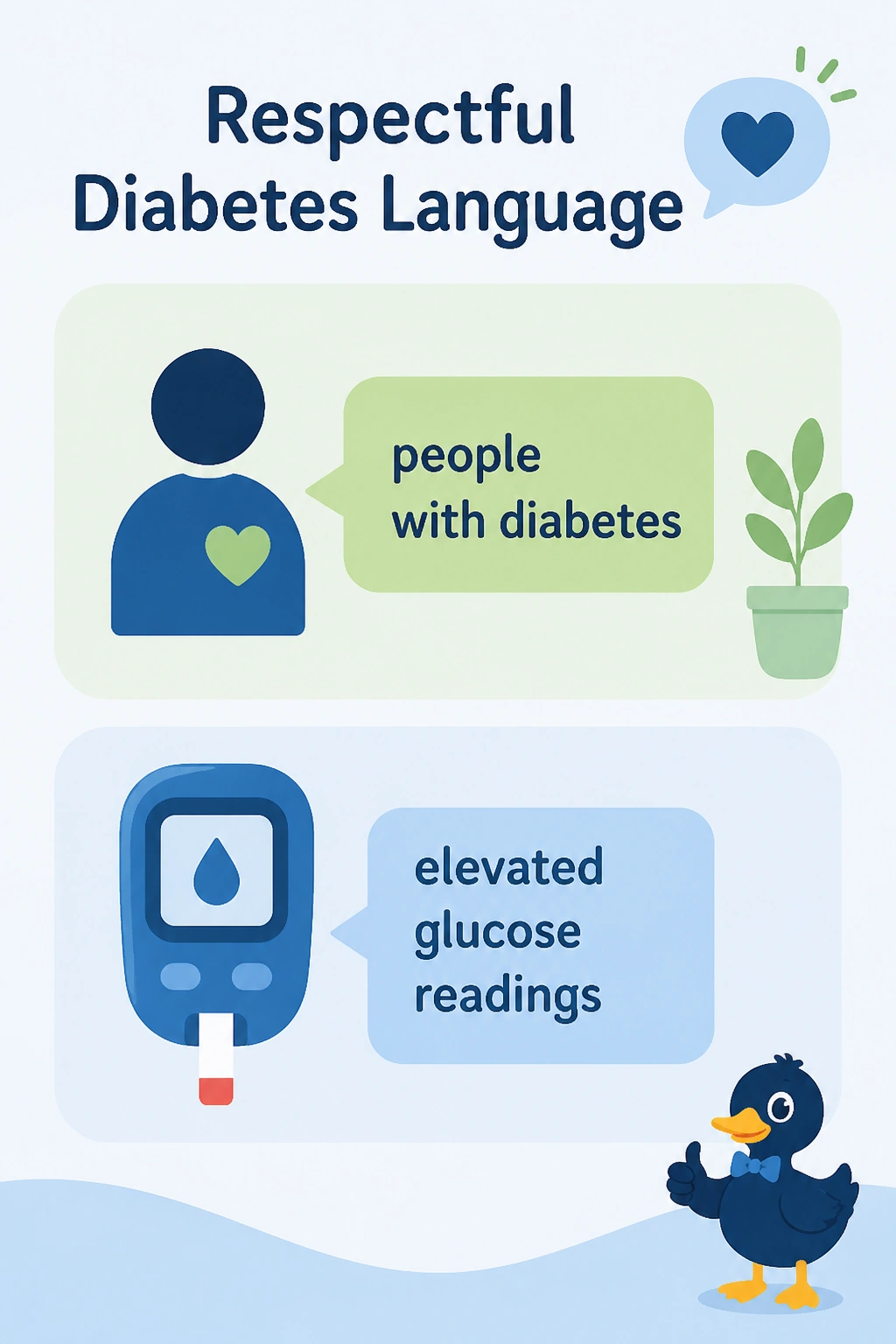
Professional consensus from diabetes care organizations emphasizes that language directly influences motivation, self-efficacy, and clinical engagement, so documentation and education should separate the person from the condition and describe objective data rather than moral judgments. Choosing to Describe individuals as "people with diabetes" and note "elevated glucose readings" models respectful, collaborative communication. Continuing to Refer to attendees as "diabetic patients" to keep clinic notes brief defines the whole person by a chronic illness. Choosing to Label missed targets as "noncompliant behavior" in the medical record implies willful defiance rather than exploring barriers such as cost, side effects, or competing life demands. Continuing to Use the phrase "failed oral therapy" when starting basal insulin blames the person for progressive beta-cell decline instead of framing insulin as a physiologic next step. As a caveat, nonjudgmental language should be practiced consistently in team huddles as well as patient-facing materials. Operational check: audit clinic templates, portal messages, and intake forms periodically to replace blaming or condition-first terms with neutral, person-centered phrasing.
Prefer to study offline? Printable PDF study book + test engine ($7.50, unofficial). These questions stay free here.