
A 65-year-old man with type 2 diabetes and stage 3 chronic kidney disease asks whether he should start a high-protein, very-low-carbohydrate diet he saw online to lower his A1C. Which nutrition education guidance should the diabetes care and education specialist provide?
Select an answer to reveal the explanation.
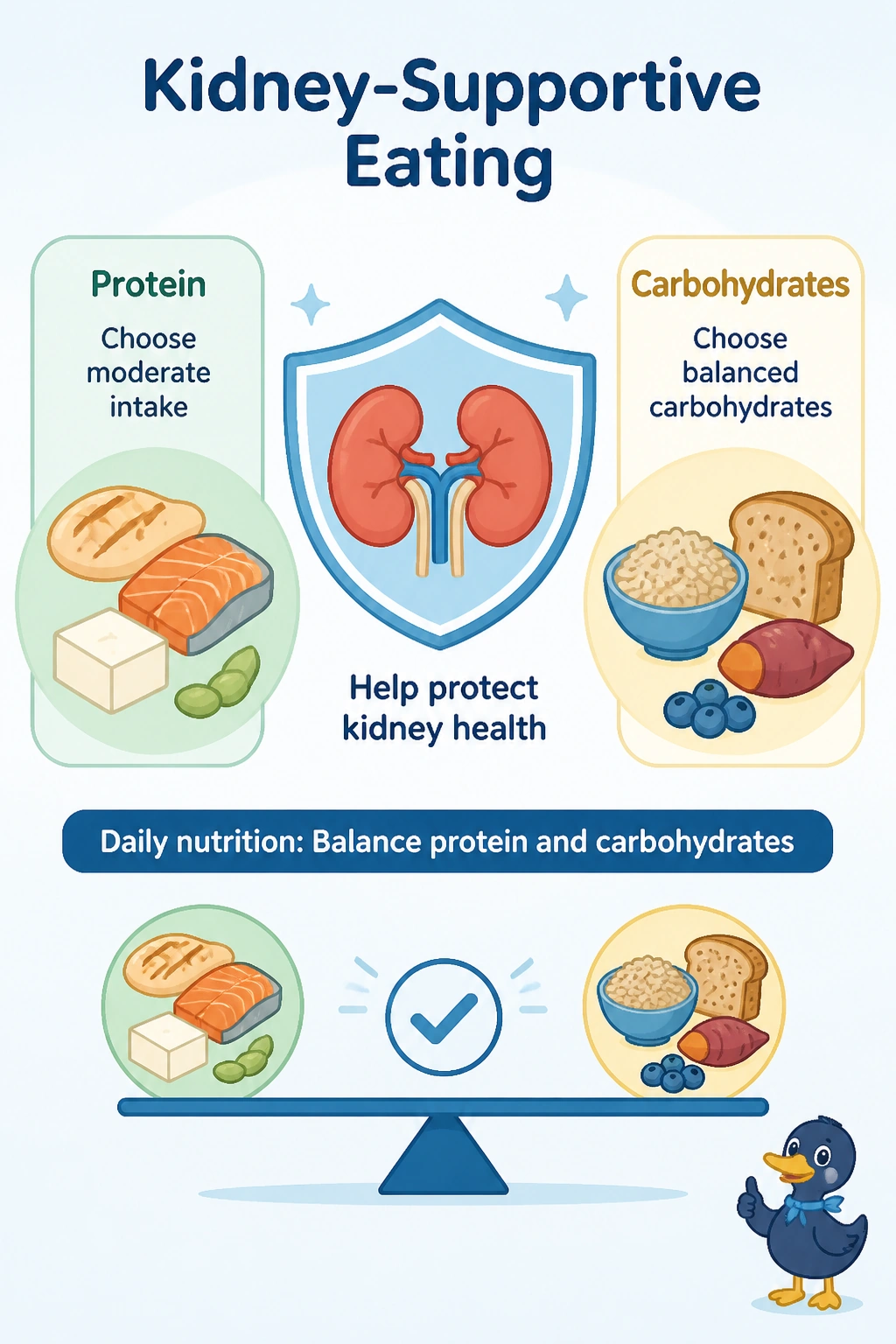
Short Explanation
Online diet trends rarely account for kidney function, so you have to help patients separate internet hype from renal-safe nutrition. The trap is endorsing extreme protein loading to cut carbs when stage 3 chronic kidney disease calls for moderate protein to avoid straining the kidneys.
Full Explanation
Encouraging moderate protein intake to protect kidney function alongside balanced carbohydrates aligns with standards for non-dialysis chronic kidney disease, where avoiding excessive protein helps limit glomerular hyperfiltration and renal solute load. For non-dialysis stage G3–G5 CKD, ADA generally recommends about 0.8 g protein/kg/day; avoid excessive intake and individualize with the kidney-care dietitian. Pairing moderate protein with high-fiber, minimally processed carbohydrates supports glycemic stability without overloading renal excretion. Recommending a very-high-protein diet to replace all dietary carbohydrates and protect muscle mass can increase intraglomerular pressure and add kidney strain in stage 3 disease. Eliminating all plant-based protein sources such as beans and lentils to reduce potassium is unnecessarily restrictive unless hyperkalemia is present, and plant proteins often benefit cardiometabolic health. Setting a high protein target without considering eGFR, nutritional status or dialysis status ignores differences in kidney function and nutrition needs and risks excessive intake. Protein targets change with dialysis status, so coordinate meal planning with a registered dietitian nutritionist and the nephrology team.
Prefer to study offline? Printable PDF study book + test engine ($7.50, unofficial). These questions stay free here.