
A senior engineer reviews the current plan and notices that one key control is missing. The team is focused on threshold and alert design. Which recommendation is most appropriate?
Select an answer to reveal the explanation.
Short Explanation and Infographic
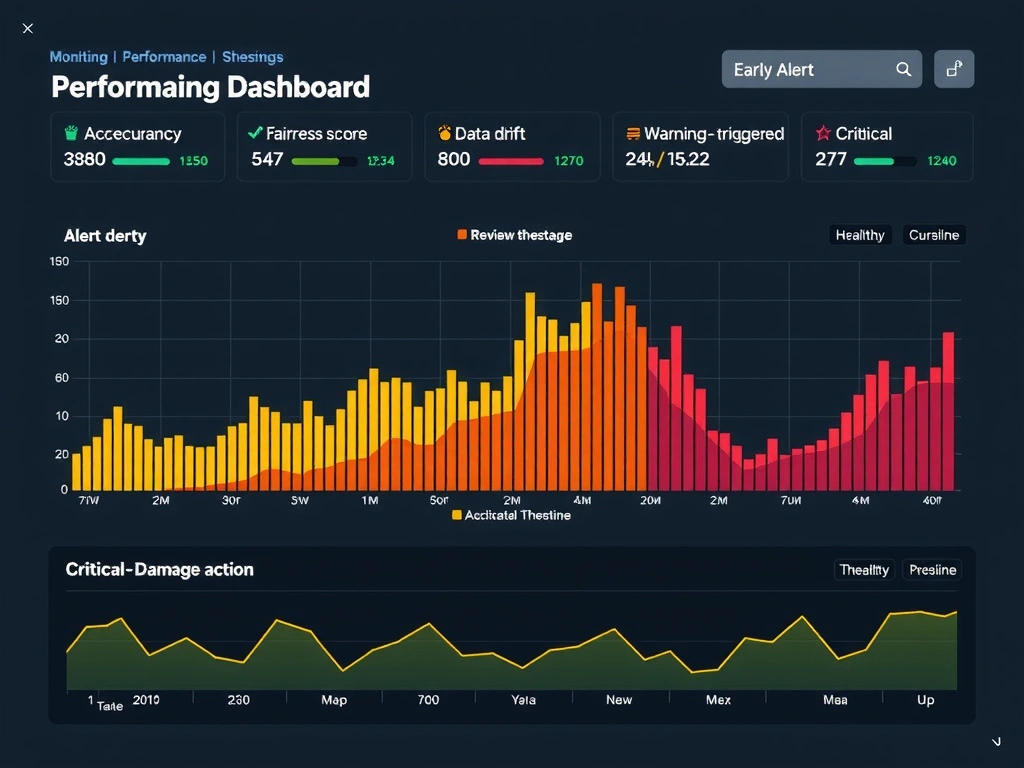
Think of monitoring alerts like smoke detectors—you want them to go off BEFORE the house burns down, not after. Proactive thresholds catch problems early so you can review and fix them. Waiting for complaints is like ignoring the smoke detector entirely. That's how you prevent costly failures!
Full explanation below image
Full Explanation
The correct answer is d. Effective monitoring requires setting quantifiable thresholds that trigger alerts BEFORE degradation becomes harmful. This enables proactive intervention and review, preventing operational damage, regulatory violations, and loss of trust. Option a (waiting for complaints) means harm has already occurred—unacceptable in production. Option b (impossible thresholds) defeats the purpose by ensuring alerts never fire. Option c (no owner) means alerts go unnoticed. Proactive threshold-based monitoring is a core IBM watsonx.governance control, requiring clear owners, timely alerts, and defined remediation workflows triggered before performance crosses critical boundaries.