
A project lead is turning a proof of concept into a governed production workflow. For IBM Certified watsonx Governance Lifecycle Advisor, the topic is approval workflow. What should the team do?
Select an answer to reveal the explanation.
Short Explanation and Infographic
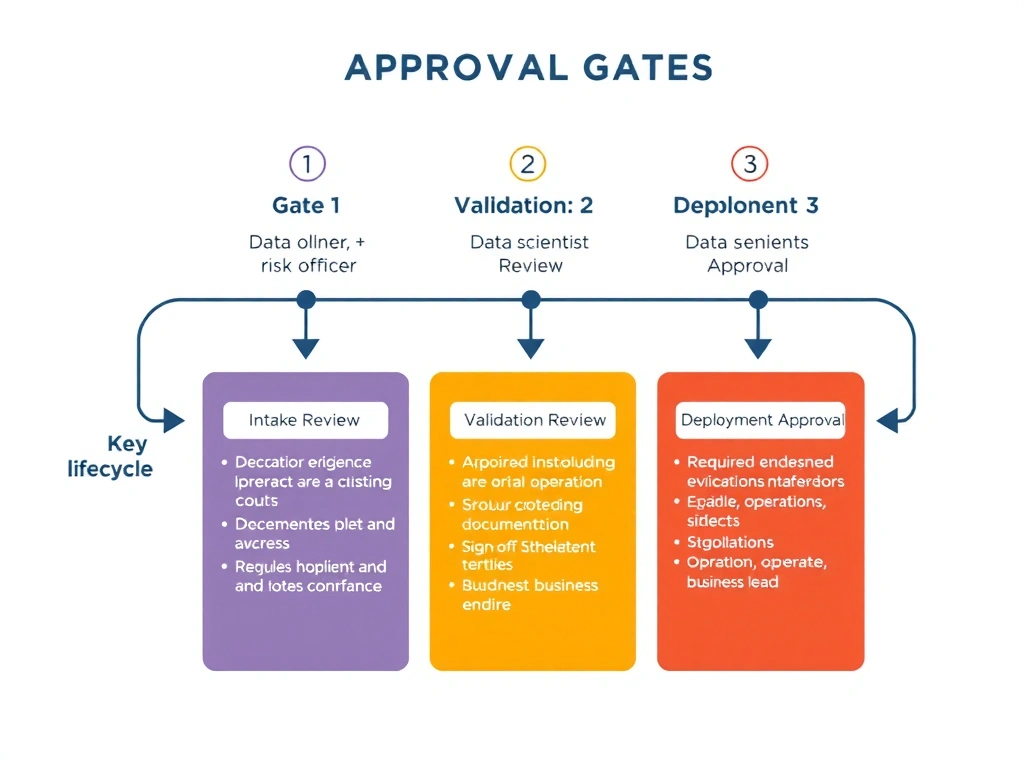
Email approvals sound fast but they're actually a governance nightmare—emails get buried, lost, or forwarded to the wrong person. Structured approval workflows are like having a physical sign-off sheet that everyone sees and that you can audit later. At each milestone (intake, validation, deployment), the right people review risk and controls, ask questions, and document their approval. High accuracy doesn't eliminate governance risk; you still need oversight for fairness, compliance, and operational safety.
Full explanation below image
Full Explanation
The correct answer is b. Structured approval workflows ensure that qualified reviewers systematically assess risk, verify controls are in place, and document sign-offs at critical lifecycle gates (e.g., after intake, after validation, before deployment). This creates an auditable record and ensures consistency. Option a is inadequate because email threads are informal, unsearchable, prone to being lost, and difficult to audit; they do not create reliable governance evidence. Option c is reckless because developers have inherent bias toward shipping their own work; high-risk models require independent review from risk, compliance, and business stakeholders. Option d is wrong because high accuracy is just one performance metric; governance reviews must also assess fairness, regulatory compliance, data provenance, and operational security, which accuracy alone does not guarantee.