
A consultant is advising a customer that wants a scalable implementation. Which approach best demonstrates inventory accountability in a IBM Certified watsonx Governance Lifecycle Advisor environment?
Select an answer to reveal the explanation.
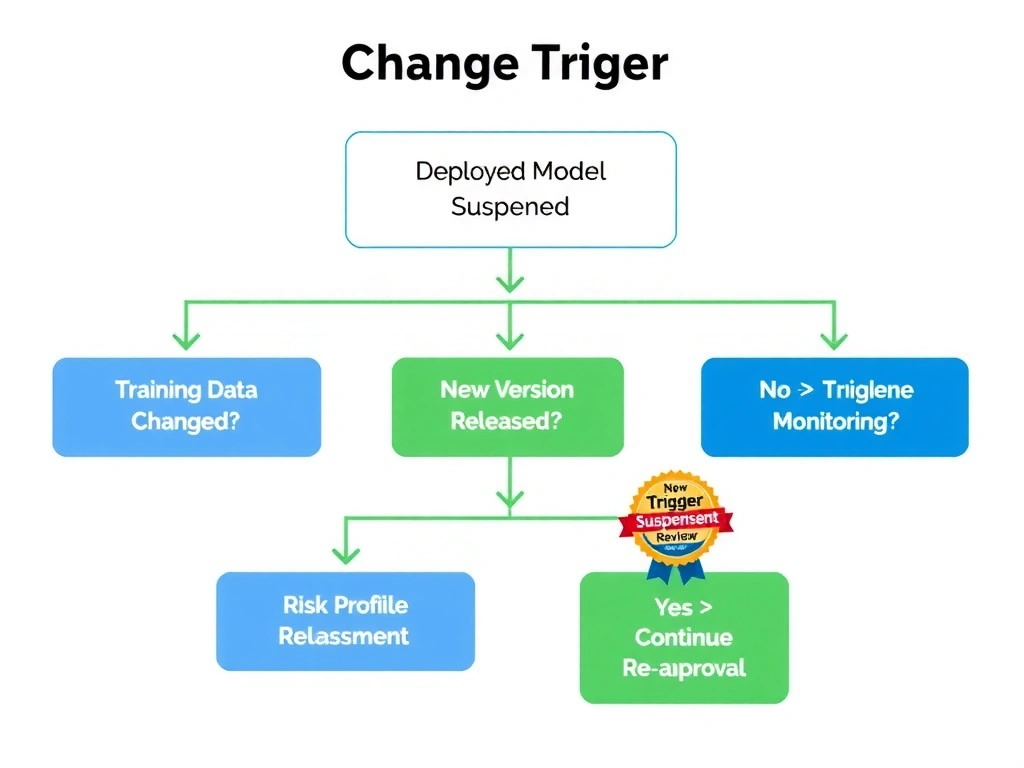
Short Explanation and Infographic
A construction site safety log without assigned inspectors is just a form — no one is accountable, so nothing gets fixed. Option C wires in the inspectors: owners and reviewers remain accountable for updates, decisions, and remediation actions throughout the AI lifecycle. Expiring ownership, anonymous roles, and no remediation assignments all produce the same empty-form problem. Active, named accountability is the only kind that works — option C!
Full explanation below image
Full Explanation
The correct answer is C. Keep owners and reviewers accountable for updates, decisions, and remediation actions. aligns directly with the 5.0 Define and Govern AI Use Case Inventory exam objective and reflects how IBM watsonx.governance operationalizes this practice in enterprise environments. IBM watsonx.governance is designed to provide the tooling, workflows, and evidence collection mechanisms that make AI trustworthy and auditable from intake through retirement. Choosing this option ensures the implementation is both defensible to regulators and maintainable by governance teams across the full AI lifecycle. Option A is incorrect because it offloads or obscures a governance responsibility in a way that breaks accountability and auditability. Option B is incorrect because it offloads or obscures a governance responsibility in a way that breaks accountability and auditability. Option D is incorrect because it eliminates a required control and leaves the governance program without a critical safeguard. On scenario-based exam questions, the correct answer is consistently the one that operationalizes the IBM governance practice with structured controls rather than approximating it with shortcuts, manual workarounds, or oversimplified rules.