
A consultant is advising a customer that wants a scalable implementation. For IBM Certified watsonx Governance Lifecycle Advisor, the topic is use case inventory. What should the team do?
Select an answer to reveal the explanation.
Short Explanation and Infographic
A library without a catalog is just a room full of random books — you can walk in, but you will never find what you need. Option A provides the catalog: configured inventories and workflows so every AI use case is registered, assessed, and governed. Disconnected spreadsheets and generic buckets make audit impossible and governance meaningless. The answer is always the structured, configurable approach IBM designed for this purpose!
Full explanation below image
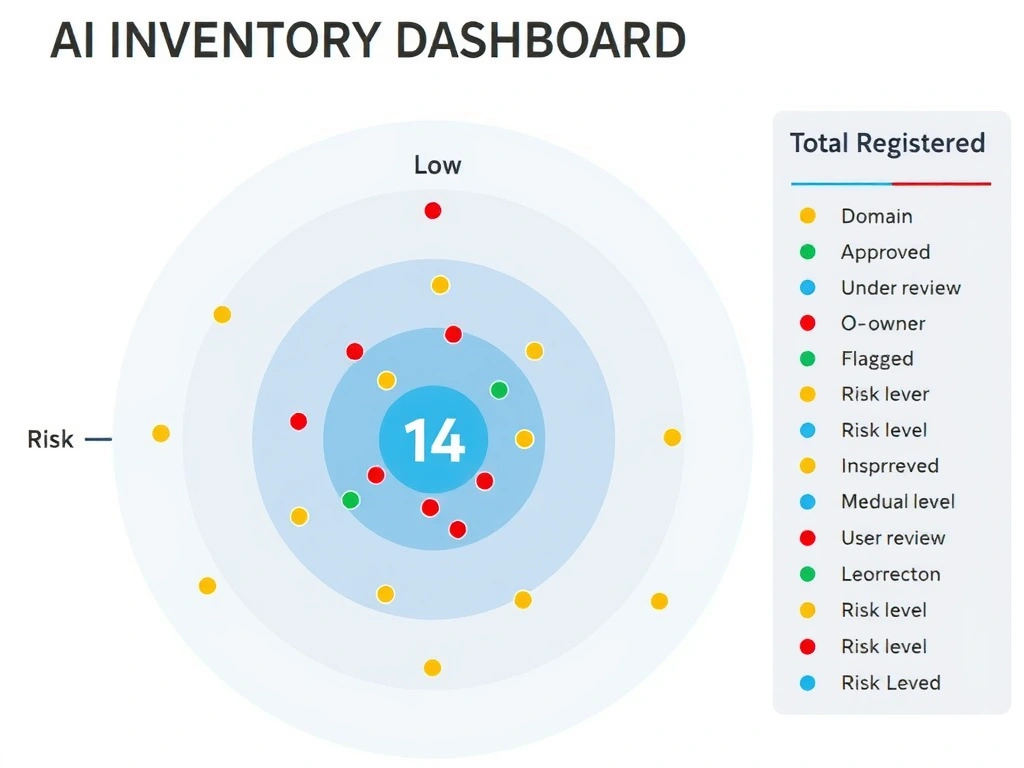
Full Explanation
The correct answer is A. Configure inventories and workflows so AI use cases can be registered, assessed, and governed. aligns directly with the 3.0 Configure watsonx.governance exam objective and reflects how IBM watsonx.governance operationalizes this practice in enterprise environments. IBM watsonx.governance is designed to provide the tooling, workflows, and evidence collection mechanisms that make AI trustworthy and auditable from intake through retirement. Choosing this option ensures the implementation is both defensible to regulators and maintainable by governance teams across the full AI lifecycle. Option B is incorrect because it relies on an informal, non-auditable mechanism that cannot support enterprise governance at scale. Option C is incorrect because it narrows the scope to a single artifact or metric and misses the full governance requirement. Option D is incorrect because it applies an overbroad rule that eliminates meaningful differentiation and accountability. On scenario-based exam questions, the correct answer is consistently the one that operationalizes the IBM governance practice with structured controls rather than approximating it with shortcuts, manual workarounds, or oversimplified rules.