
A project lead is turning a proof of concept into a governed production workflow. What is the best way to handle regulatory alignment while staying aligned with the certification objectives?
Select an answer to reveal the explanation.
Short Explanation and Infographic
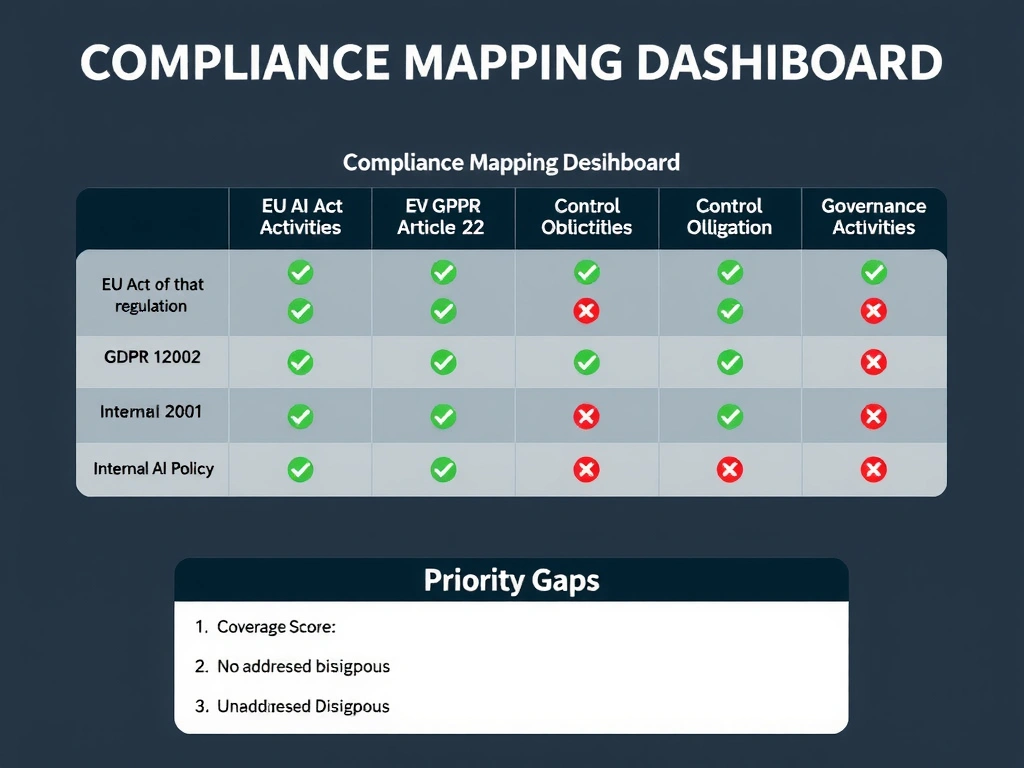
Regulatory alignment for AI is like filing taxes in multiple countries: each has its own forms, deadlines, and definitions, and using the same form everywhere is not a defense. Option D is the multi-jurisdiction compliance approach: map governance activities to relevant laws, standards, and organizational policies. Single-policy assumptions fail the moment you cross a border. Late-stage audit evidence cannot be backdated. Removing documentation to accelerate delivery is filing taxes with no records. Mapped, maintained, jurisdiction-specific regulatory alignment — option D!
Full explanation below image
Full Explanation
The correct answer is D. Map governance activities to relevant laws, standards, and organizational policies. aligns directly with the 1.0 AI Governance Overview exam objective and reflects how IBM watsonx.governance operationalizes this practice in enterprise environments. IBM watsonx.governance is designed to provide the tooling, workflows, and evidence collection mechanisms that make AI trustworthy and auditable from intake through retirement. Choosing this option ensures the implementation is both defensible to regulators and maintainable by governance teams across the full AI lifecycle. Option A is incorrect because it applies an overbroad rule that eliminates meaningful differentiation and accountability. Option B is incorrect because it eliminates a required control and leaves the governance program without a critical safeguard. Option C is incorrect because it does not address the core governance requirement described in the scenario and would leave an important control gap in production. On scenario-based exam questions, the correct answer is consistently the one that operationalizes the IBM governance practice with structured controls rather than approximating it with shortcuts, manual workarounds, or oversimplified rules.