
A project lead is turning a proof of concept into a governed production workflow. What is the best way to handle risk classification while staying aligned with the certification objectives?
Select an answer to reveal the explanation.
Short Explanation and Infographic
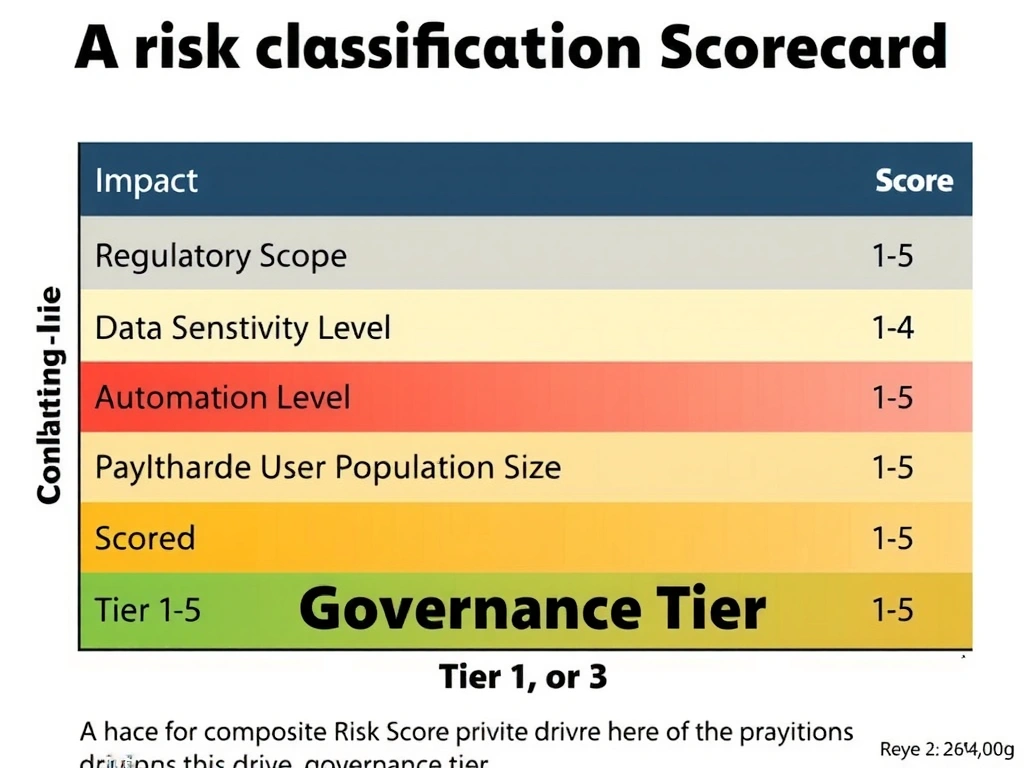
Think of risk classification like a bridge load rating: engineers calculate span, material, traffic, and age — not just how many cars crossed last week. IBM's approach mirrors this precision: classify by impact, regulation, data sensitivity, automation level, and user population. Option B captures all five dimensions. The other choices either oversimplify to one metric or use a completely irrelevant proxy like vendor fame. Thorough classification keeps high-stakes AI from slipping through as low risk.
Full explanation below image
Full Explanation
The correct answer is B. Classify use cases by impact, regulation, data sensitivity, automation level, and user population. aligns directly with the 5.0 Define and Govern AI Use Case Inventory exam objective and reflects how IBM watsonx.governance operationalizes this practice in enterprise environments. IBM watsonx.governance is designed to provide the tooling, workflows, and evidence collection mechanisms that make AI trustworthy and auditable from intake through retirement. Choosing this option ensures the implementation is both defensible to regulators and maintainable by governance teams across the full AI lifecycle. Option A is incorrect because it substitutes an irrelevant proxy metric for the governance dimension the question actually requires. Option C is incorrect because it applies an overbroad rule that eliminates meaningful differentiation and accountability. Option D is incorrect because it substitutes an irrelevant proxy metric for the governance dimension the question actually requires. On scenario-based exam questions, the correct answer is consistently the one that operationalizes the IBM governance practice with structured controls rather than approximating it with shortcuts, manual workarounds, or oversimplified rules.