
A team is preparing a production rollout and needs to avoid a design mistake. For IBM Certified watsonx Data Lakehouse Engineer, the topic is Query workspace and history. What should the team do?
Select an answer to reveal the explanation.
Short Explanation and Infographic
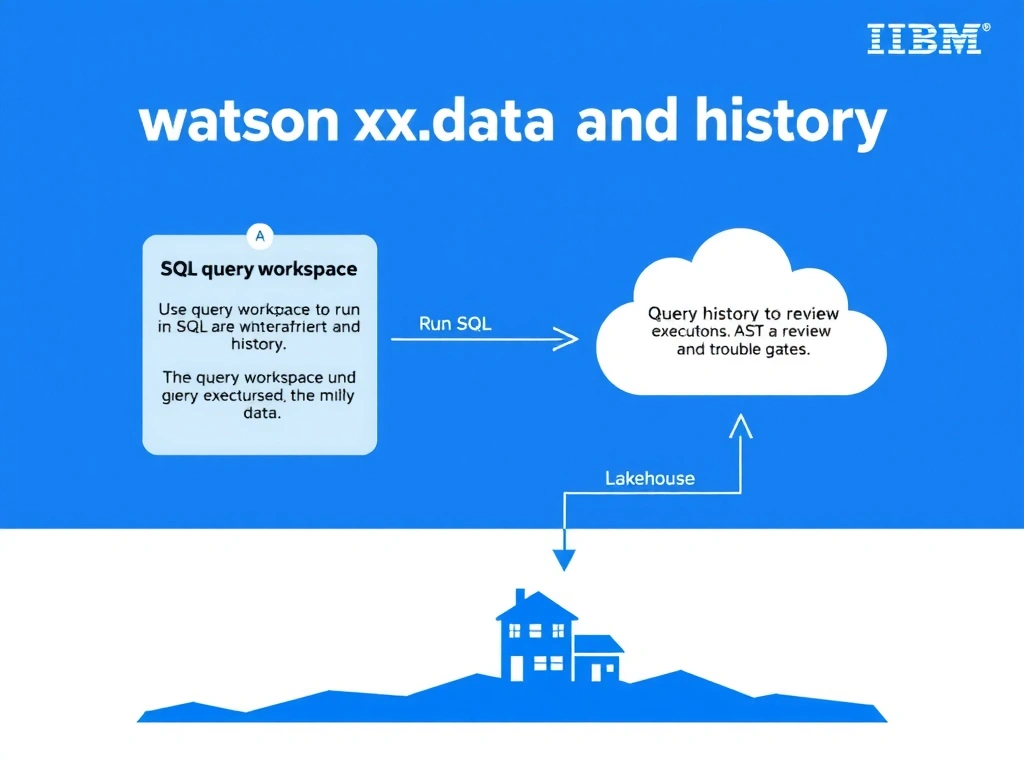
In watsonx.data, the Query Workspace provides an integrated SQL development environment where engineers can write queries, inspect execution plans, review query history, and monitor resource consumption without leaving the platform. This is the IBM-native way to develop and debug SQL against governed Iceberg tables — it respects access controls, logs every execution for audit, and provides the performance diagnostics that identify expensive queries before they become production problems.
Full explanation below image
Full Explanation
The correct answer is option C: Use query workspace to run SQL and query history to review execution and troubleshoot behavior.. This aligns with IBM's Platform operations and administration guidance, which emphasizes use query workspace to run sql and query history to review execution and troubleshoot behavior as the recommended approach for production deployments. Option A (Troubleshoot failed SQL from storage bills only) is incorrect because it either bypasses IBM's recommended architecture or introduces operational risk that the correct approach is specifically designed to avoid. Option B (Delete query history to improve performance) is incorrect because it either bypasses IBM's recommended architecture or introduces operational risk that the correct approach is specifically designed to avoid. Option D (Use access control screens to write SQL) is incorrect because it either bypasses IBM's recommended architecture or introduces operational risk that the correct approach is specifically designed to avoid. Understanding this distinction is critical for the C9007300 exam: IBM watsonx.data is designed to enforce governance, performance, and operational best practices through its built-in architecture, and the correct answers consistently reflect those architectural constraints rather than shortcut alternatives.