
A senior engineer reviews the current plan and notices that one key control is missing. What is the best way to handle SQL troubleshooting while staying aligned with the certification objectives?
Select an answer to reveal the explanation.
Short Explanation and Infographic
Here's the deal: when a query fails in watsonx.data, the diagnostic checklist is always the same — syntax first, then permissions, then source availability, then engine state. SQL syntax errors surface immediately; permission denials produce specific error codes; source unavailability shows up as timeout or connection errors; engine state issues appear as resource exhaustion. Working through these in order gets you to the root cause faster than random troubleshooting.
Full explanation below image
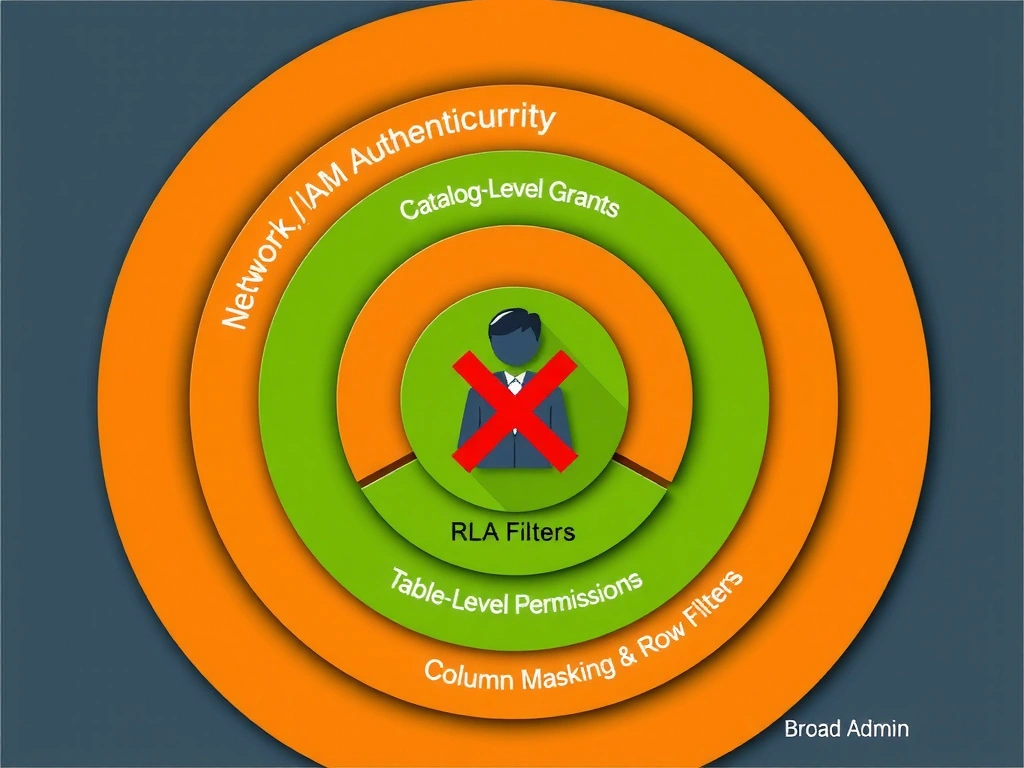
Full Explanation
The correct answer is option D: Check syntax, permissions, source availability, and engine selection when queries fail.. This aligns with IBM's Data consumption and analytics guidance, which emphasizes check syntax, permissions, source availability, and engine selection when queries fail as the recommended approach for production deployments. Option A (Assume every failed query means data loss) is incorrect because it either bypasses IBM's recommended architecture or introduces operational risk that the correct approach is specifically designed to avoid. Option B (Increase storage capacity before reading the error) is incorrect because it either bypasses IBM's recommended architecture or introduces operational risk that the correct approach is specifically designed to avoid. Option C (Change dashboard colors to refresh metadata) is incorrect because it either bypasses IBM's recommended architecture or introduces operational risk that the correct approach is specifically designed to avoid. Understanding this distinction is critical for the C9007300 exam: IBM watsonx.data is designed to enforce governance, performance, and operational best practices through its built-in architecture, and the correct answers consistently reflect those architectural constraints rather than shortcut alternatives.