
A chatbot developer reviews conversation logs and notices a high volume of user messages are being routed to the 'Anything else' fallback node. What is the best immediate action to address this pattern?
Select an answer to reveal the explanation.
Short Explanation and Infographic
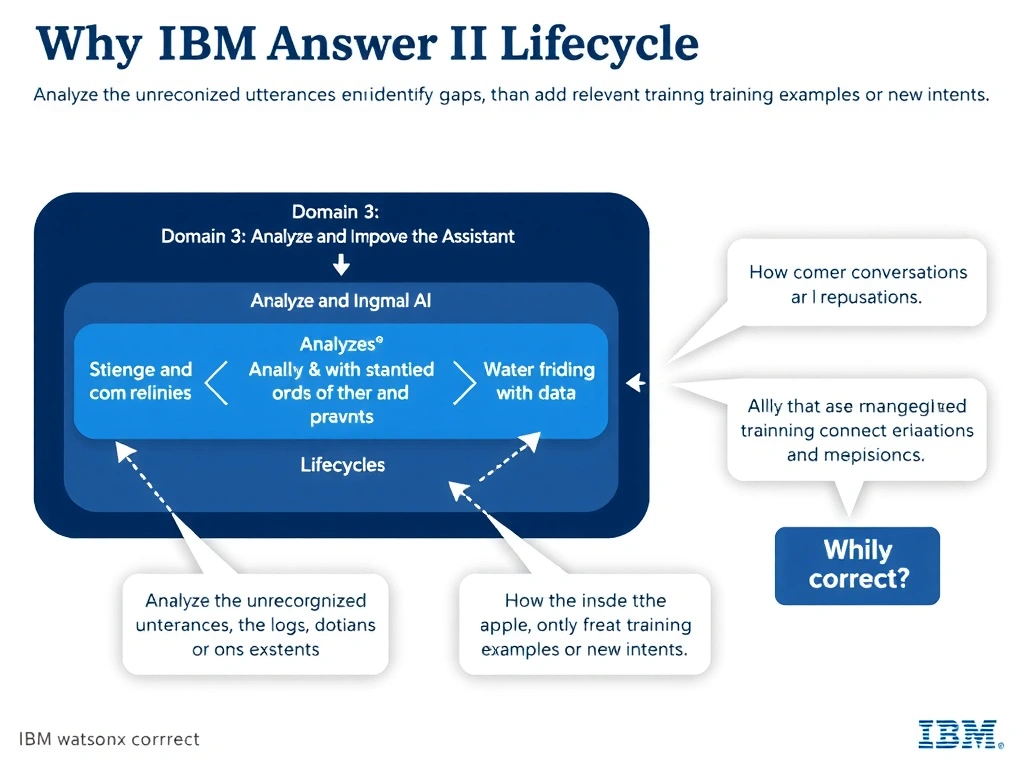
Todd Lammle: 'Imagine you're building a chatbot and this exact situation comes up — analyze the unrecognized utterances in the logs to identify gaps, then add relevant training examples or new intents is your go-to move. High fallback traffic indicates that many user utterances do not match any defined intent. This is a classic Domain 3: Analyze and Improve the Assistant concept you'll want locked in before exam day.'
Full explanation below image
Full Explanation
High fallback traffic indicates that many user utterances do not match any defined intent. The correct approach is to review those logged messages, identify common themes, and then add training examples to existing intents or create new intents to cover the missing use cases. Raising the confidence threshold or deleting the fallback node would make the problem worse, not better. The correct answer, "Analyze the unrecognized utterances in the logs to identify gaps, then add relevant training examples or new intents", directly satisfies the scenario because it aligns with watsonx Assistant's design principles and the specific capability being tested. The incorrect options ("Increase the confidence threshold to require stronger intent matches before triggering any dialog nodes", "Delete the 'Anything else' node so that all inputs must match a defined intent", "Enable fuzzy matching for all entity values to capture more varied user inputs") may appear relevant but each misses a key requirement or introduces a step that is either unnecessary or belongs to a different workflow. Mastering the distinction between these approaches is essential for effective watsonx Assistant implementations and is a core focus of the Domain 3: Analyze and Improve the Assistant section of the certification exam.