
Before launching a new automated sterile-vial crimping line, a pharmaceutical quality team wants to systematically identify how each step could fail, estimate the impact and likelihood of each failure, and prioritize preventive controls. Which quality technique is best suited for this task?
Select an answer to reveal the explanation.
Short Explanation
Waiting for defects to pile up before studying a new line is like testing airbags after a crash. You want a proactive risk tool that maps what could go wrong and ranks the nastiest failure modes before the first batch runs.
Full Explanation
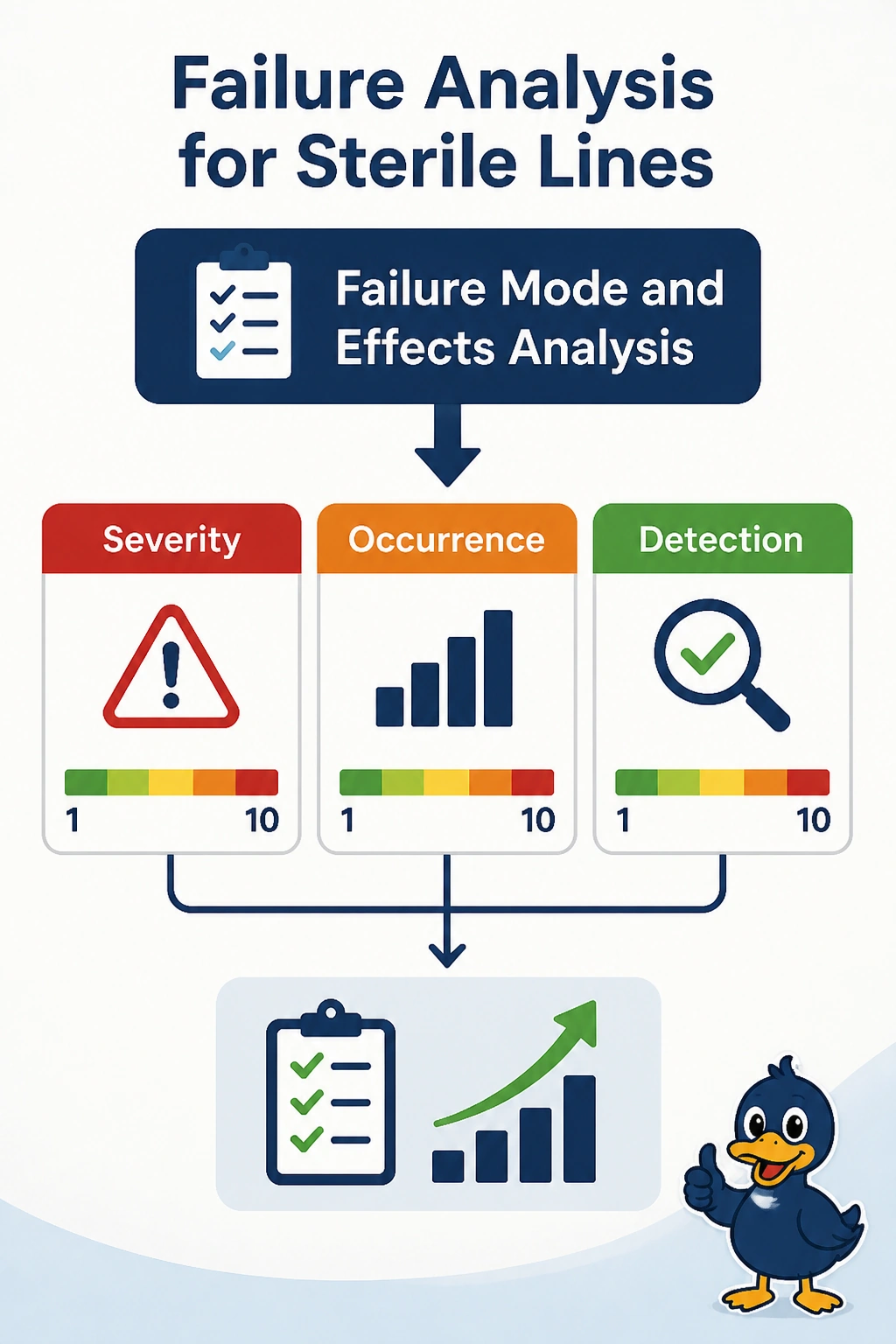
Before a new process launches, the right proactive tool is A Failure Mode and Effects Analysis evaluating severity, occurrence, and detection. FMEA systematically breaks down each process step to identify potential failure modes, their effects, and current controls so the team can prioritize design or process mitigations before production begins. Using A Pareto chart summarizing historical customer complaints from older product lines looks backward at legacy issues and cannot uncover failure modes unique to the new automated crimping equipment. Relying on A control chart plotting hourly sample weights from the first commercial production run monitors process stability only after production has started, rather than preventing failures during pre-launch planning. Using A check sheet tallying operator-reported equipment stops during initial machine setup simply counts downtime events without evaluating failure severity or detection gaps. As a caveat, FMEA scores are team estimates and must be updated whenever process changes or actual field failures reveal new risks. When auditing a new-line launch, verify that high-risk FMEA items link directly to implemented preventive controls in the control plan.
Prefer to study offline? Printable PDF study book + test engine ($7.50, unofficial). These questions stay free here.