
During an interview with a junior QA analyst at a financial software firm about how severity-one production defects are escalated, an auditor suspects the team routinely bypasses formal triage approval. Which interviewing approach best preserves objectivity and gathers reliable evidence?
Select an answer to reveal the explanation.
Short Explanation
If you telegraph the answer you suspect, an auditee will either shut down or tell you what you want to hear. Asking for a concrete walkthrough lets real workflow facts surface naturally without bias. Watch out for leading questions that bake your conclusion into the prompt.
Full Explanation
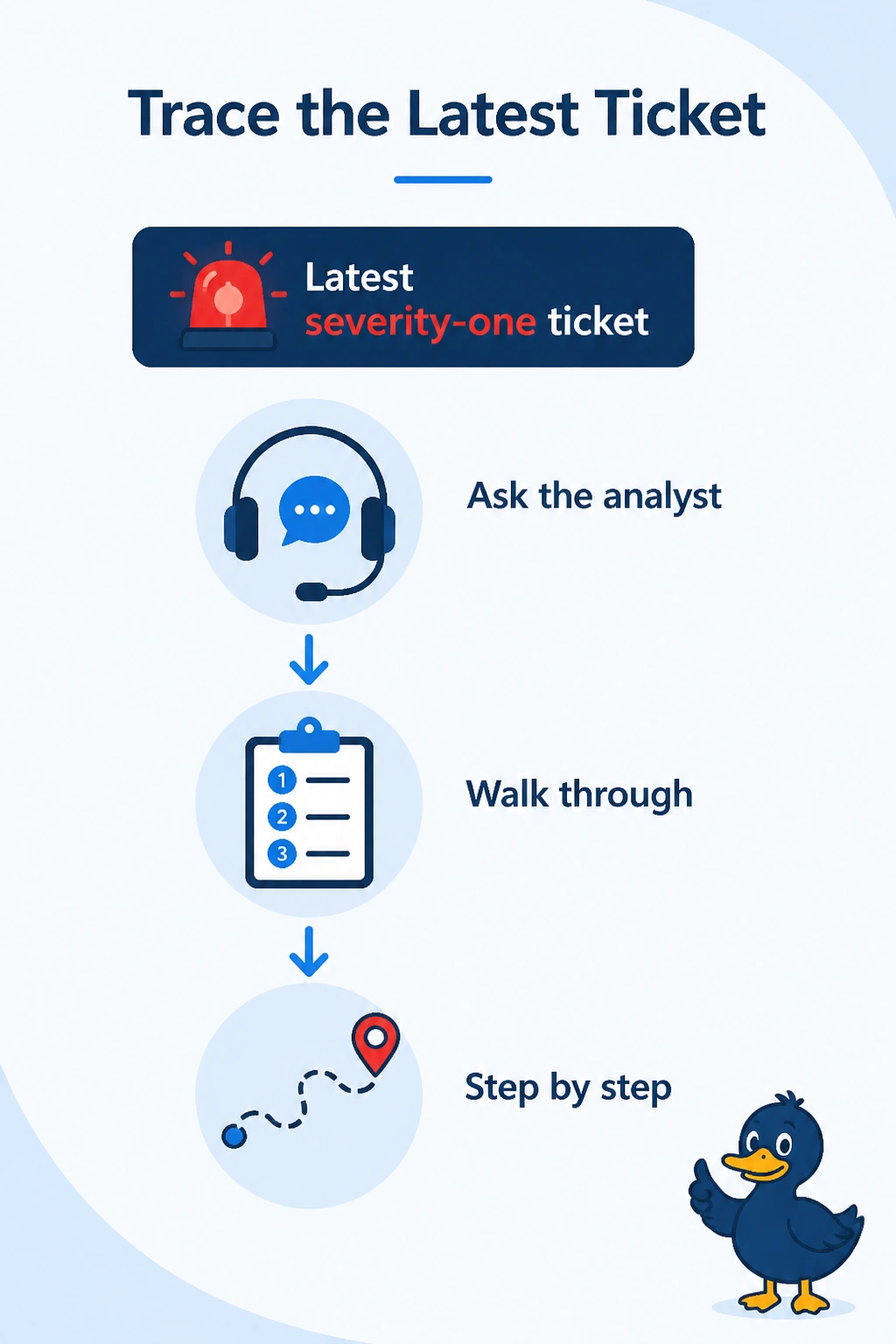
Choosing to "Ask the analyst to walk through the most recent severity-one ticket step by step" uses an open-ended, evidence-based prompting technique that avoids signaling suspicion while anchoring the conversation in a real, verifiable record. Walking through an actual ticket reveals who approved the fix, what timestamps exist, and whether formal triage occurred in practice. By contrast, "Ask the analyst to confirm that emergency fixes always skip triage approval" is a leading question that pressures the interviewee toward a predetermined conclusion and invites defensiveness. Similarly, "Explain the standard's escalation rules first and ask if the team complies" coaches the auditee on the desired answer, encouraging a simple yes rather than an honest description of daily practice. Opting to "Interview the engineering director instead so the junior analyst feels no pressure" abandons the person who actually executes the workflow and risks gathering high-level policy intent instead of operational reality. As a caveat, even a candid walkthrough must be corroborated with system records rather than accepted on memory alone. During the interview, open the live ticketing system together and note exact ticket numbers so you can cross-check approval logs afterward.
Prefer to study offline? Printable PDF study book + test engine ($7.50, unofficial). These questions stay free here.