
A developer must place a Webex ChatOps bot into the city’s already-running Docker and Kubernetes CD path. Which approach matches “integrate into a prebuilt CD environment”?
Select an answer to reveal the explanation.
Short Explanation
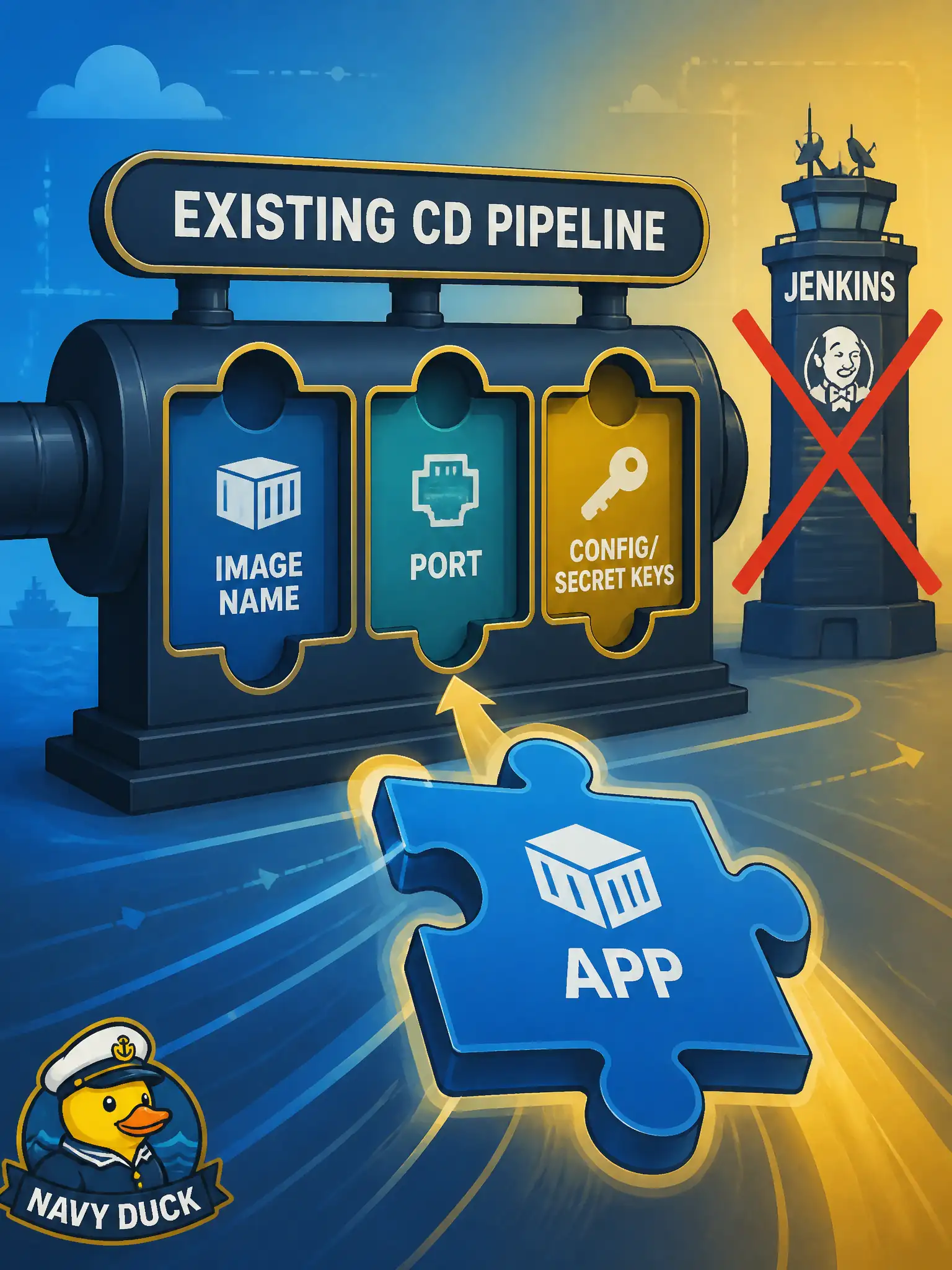
Fit the form the city already stamps—expected image name, port, and secret keys—don’t open a second DMV. Prebuilt means plug into what exists, not invent a new Jenkins nation.
Full Explanation
Integrating a Webex ChatOps bot into an already-running Docker and Kubernetes CD path means supplying the expected image name, port, and config/secret keys that the existing environment already injects. Prebuilt CD is a contract: match what the city’s conveyor already stamps rather than inventing a parallel delivery system. The bot becomes another compliant workload on the same path.
Standing up a brand-new Jenkins controller from scratch and ignoring the existing deploy contract rebuilds delivery instead of integrating. Rewriting the platform’s Helm charts and inventing a second registry the cluster does not trust likewise expands scope beyond “fit the prebuilt environment.” Treating 300-910 delivery-exam toolchain design as the DEVCOR 4.2 answer confuses a different exam’s toolchain focus with this objective’s integrate-into-existing-path skill.
Exam caveat: integrate means consume the environment’s image, port, and secret conventions—not redesign CI/CD or cite another exam’s blueprint. Operational check: publish an image under the expected name, expose the port the Service/probes already use, mount the same secret/config keys the platform injects, and confirm a normal roll succeeds without a second Jenkins or registry.