
A compliance officer reviews the annual metrics and notices that the whistleblowing hotline received only two reports over the past year in a multi-thousand-employee corporation. What does this low volume of reports most likely indicate?
Select an answer to reveal the explanation.
Short Explanation
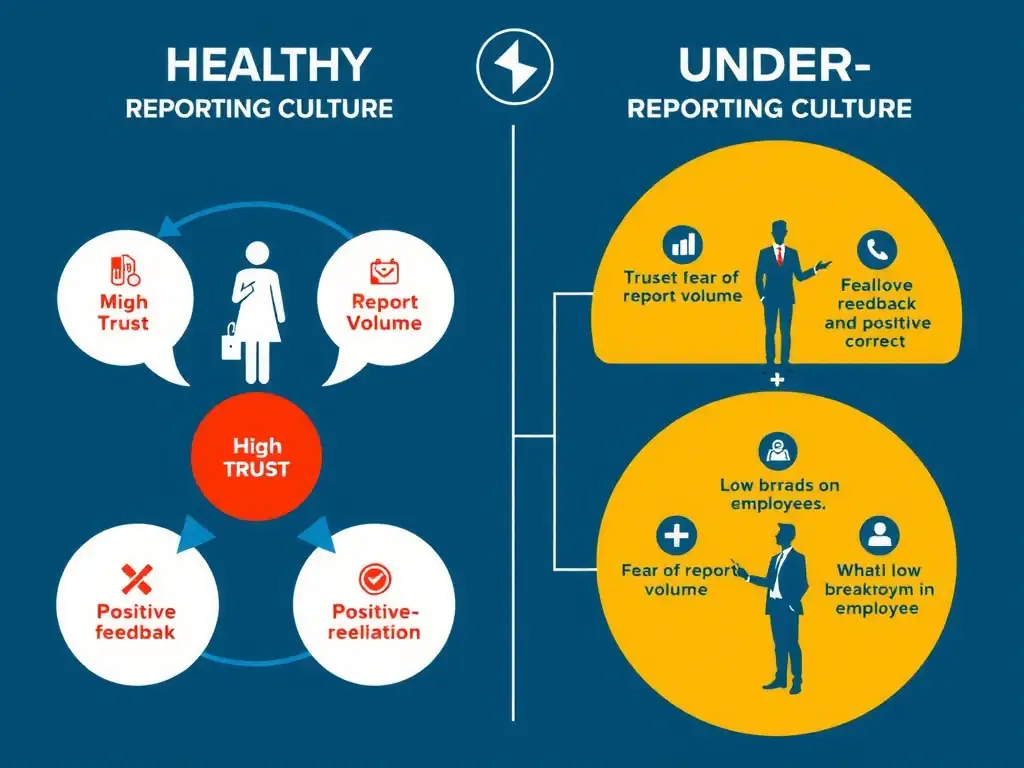
Imagine your boss beams at you because a multi-thousand-employee hotline got only two reports. Don’t pop the champagne. In a big company, a dead-silent hotline is usually a red flag that employees don’t trust anonymity or fear retaliation.
Full Explanation
In compliance analytics, a low number of hotline reports in a medium-to-large organization is rarely a sign of a perfect, infraction-free workplace. Rather, it is typically symptomatic of cultural or operational hurdles within the reporting ecosystem. According to compliance best practices and regulatory guidelines, a healthy compliance culture is characterized by active reporting channels. When employees do not utilize these channels, it generally indicates a lack of trust in the process. Employees may fear that their identity will be compromised, leading to retaliation from peers or management, or they may believe that the company will not take action on their concerns (futility). The claim that the company's compliance program is so effective that all violations have been eliminated is incorrect because no organization, particularly a large one, is completely free of compliance risks or minor infractions. The claim that the organization has a naturally low risk profile across all of its global offices is incorrect because low volume does not validate a naturally low-risk environment; robust programs typically see steady reporting. The claim that the compliance staff is successfully resolving all employee issues informally before they reach the hotline is incorrect because informal resolution can handle minor issues, but serious compliance matters should still surface through formal hotlines if trust is high. Compliance officers must actively monitor hotline metrics and conduct culture surveys to identify and dismantle barriers to reporting.