
An employee submits a report through the corporate hotline alleging that their manager is engaging in kickback schemes with a supplier. What is the compliance department's most critical responsibility upon receiving this report?
Select an answer to reveal the explanation.
Short Explanation
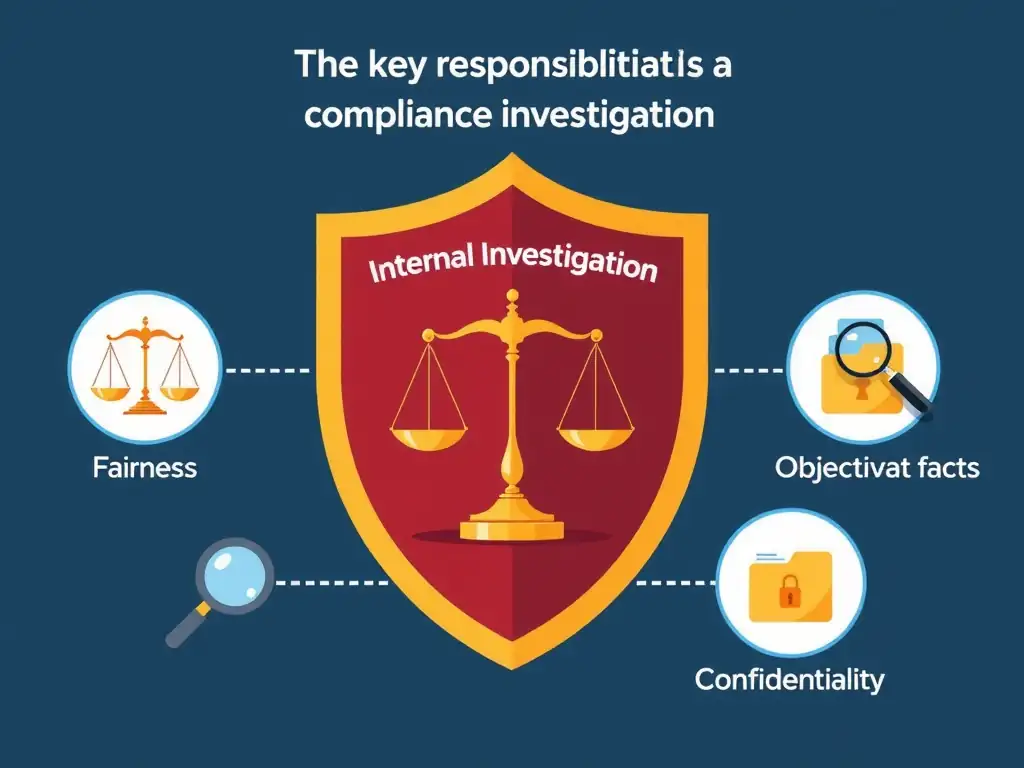
Check this out: when someone blows the whistle on a policy violation, the pressure is on. You can't just fire the manager without proof, reveal the reporter, or post about it publicly. The compliance team's core duty is to run a clean, fair, objective, and confidential investigation, gather facts, protect the whistleblower from retaliation, and treat everyone involved fairly.
Full Explanation
When an allegation of misconduct is reported, the compliance department must initiate a formal response process. The most critical responsibility during this phase is to execute a prompt, thorough, objective, independent, and confidential investigation to determine the facts. A properly executed investigation protects the integrity of the organization, ensures due process for the accused, and safeguards the reporter. Confidentiality is essential to protect the reporting employee from retaliation and to prevent the destruction of evidence or the coaching of witnesses. Objectivity ensures that investigators collect and analyze evidence neutrally, without preconceived notions of guilt or innocence, allowing the final report to stand up to legal and regulatory scrutiny.
Let's review why the other approaches represent severe failures in compliance protocols: - Automatically assuming the allegation is true and immediately sanctioning the accused manager is incorrect because it violates basic principles of fairness and due process. Action taken without factual basis exposes the company to wrongful termination claims. - Posting updates about the internal investigation on public communication channels is incorrect because it breaches confidentiality, compromises the integrity of the gathering of evidence, and damages the reputations of individuals who may ultimately be cleared of wrongdoing. - Disclosing the whistleblower's identity to the manager is incorrect because exposing the reporter to the target of the complaint is a severe breach of confidentiality. It directly leads to retaliation, which violates whistleblower protection laws such as Sarbanes-Oxley and the Dodd-Frank Act and destroys the credibility of the reporting system.
Therefore, running a fair, objective, and confidential inquiry is the gold standard for compliance departments.