
A manufacturing corporation discovers during a vendor audit that its primary international logistics provider employs forced child labor at a foreign distribution hub. What specific category of compliance risk does this issue represent?
Select an answer to reveal the explanation.
Short Explanation
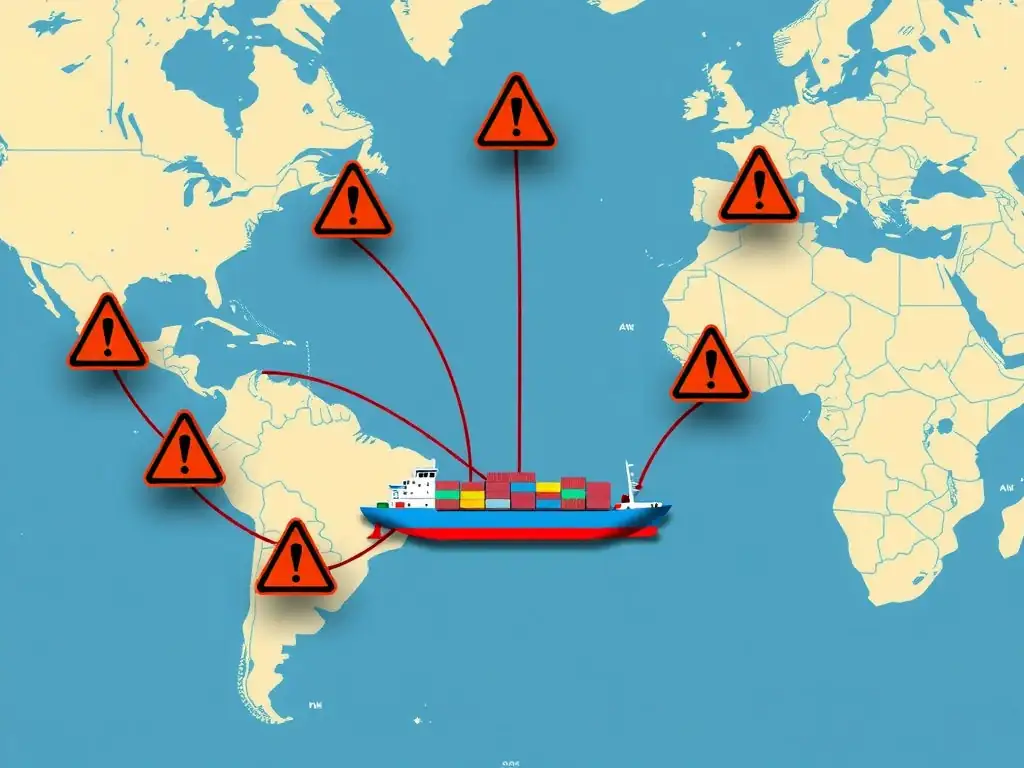
Here’s the deal: you can’t hide behind third-party contractors. If your logistics provider uses forced child labor overseas, that’s a supply chain and human rights compliance risk. Audit your third parties thoroughly!
Full Explanation
The correct answer is the supply chain and human rights compliance risk. Supply chain compliance has increasingly focused on human rights, labor practices, and modern slavery. When a third-party logistics provider or supplier violates international labor standards—such as using child or forced labor—the hiring organization faces severe exposure. This falls under the supply chain and human rights risk category. Regulators, customs agencies such as U.S. Customs and Border Protection under the Uyghur Forced Labor Prevention Act or equivalent rules, and international bodies enforce strict bans on importing goods produced under these conditions. Beyond legal penalties, companies face severe reputational backlash and boycotts.
The environmental and sustainability compliance risk is incorrect because child labor is a human rights and labor standard violation, not an environmental compliance issue, which would involve pollution, waste management, or emissions.
The pure financial liquidity and treasury risk is incorrect because financial liquidity risk refers to cash flow, capital reserves, and the ability to meet short-term debt obligations, which is not the direct focus of human rights violations.
The standard internal operating control failure is incorrect because this involves an external partner's labor violations rather than a failure of the company's internal operating controls, though a lack of vendor due diligence would be a compliance failure.