
When performing a compliance risk assessment, how should a compliance team distinguish between the concepts of "likelihood" and "impact"?
Select an answer to reveal the explanation.
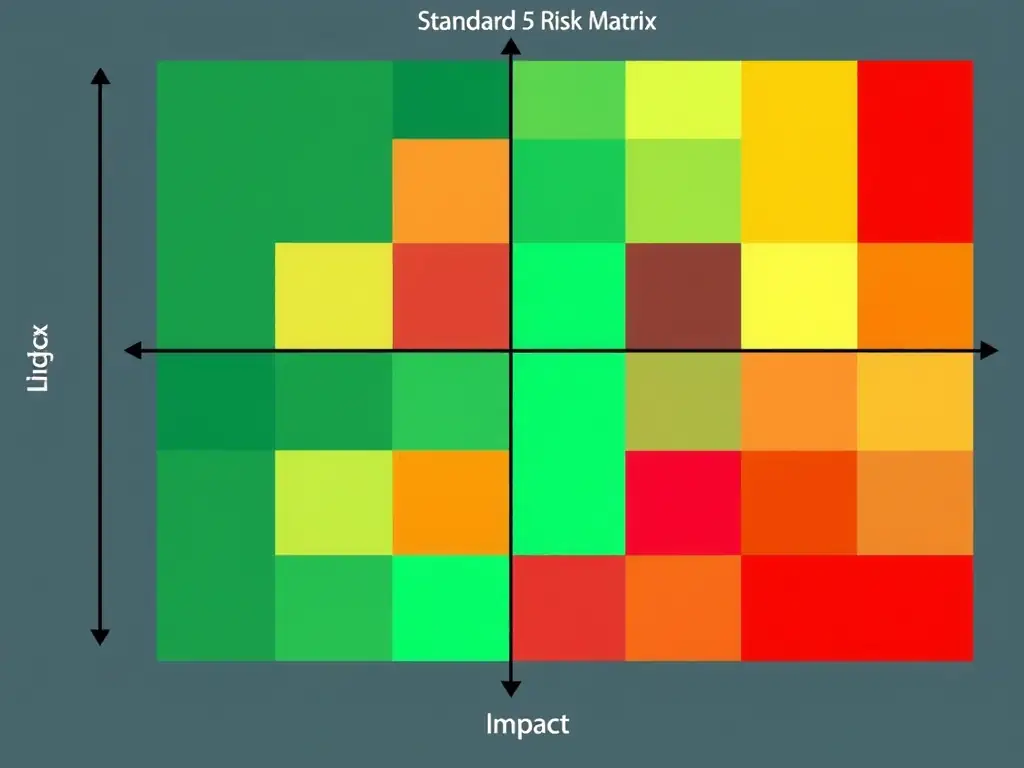
Short Explanation
Let's talk about risk. Likelihood is how often or how easily a compliance slip-up could happen, and impact is how badly it'd hurt you in fines, lawsuits, and public embarrassment if it does. Don't mix them up—you need both to map your risk profile and decide where to spend your compliance budget first.
Full Explanation
Risk is typically defined as a function of two dimensions: likelihood (probability) and impact (consequence). The correct choice is the one that defines likelihood as the probability or frequency with which a risk event might occur, while impact represents the severity of the financial, legal, or reputational consequences if that event does happen. Likelihood assessments look at internal and external factors—such as historical incidents, the complexity of operations, employee training levels, and the strength of existing controls—to estimate how probable it is that a specific compliance violation will occur. Impact assessments evaluate the potential fallout if the risk event manifests, including financial losses (fines, remediation costs), legal consequences (prosecution, consent decrees), operational disruptions, and reputational damage.
The choice that says likelihood measures the overall duration of a compliance breach and impact measures the total number of employees who violated the policy is incorrect because duration and employee count are specific data points that might inform the scale of an event, but they do not define the general concepts of likelihood (probability) and impact (severity of consequences). The choice that says likelihood refers to the financial cost of implementing controls and impact represents external penalties imposed by regulators is incorrect because likelihood is not about the cost of controls, and impact encompasses more than just regulatory penalties, such as brand damage or loss of business. The choice that says the two terms are synonymous and are evaluated as a single metric to calculate the baseline risk score is incorrect because likelihood and impact are distinct variables. Multiplying them (Likelihood × Impact) is a standard methodology to calculate the 'Inherent Risk' score; treating them as synonymous would result in inaccurate risk profiling.