During a compliance investigation, how is forensic data analysis most effectively utilized by the investigative team?
Select an answer to reveal the explanation.
Short Explanation and Infographic
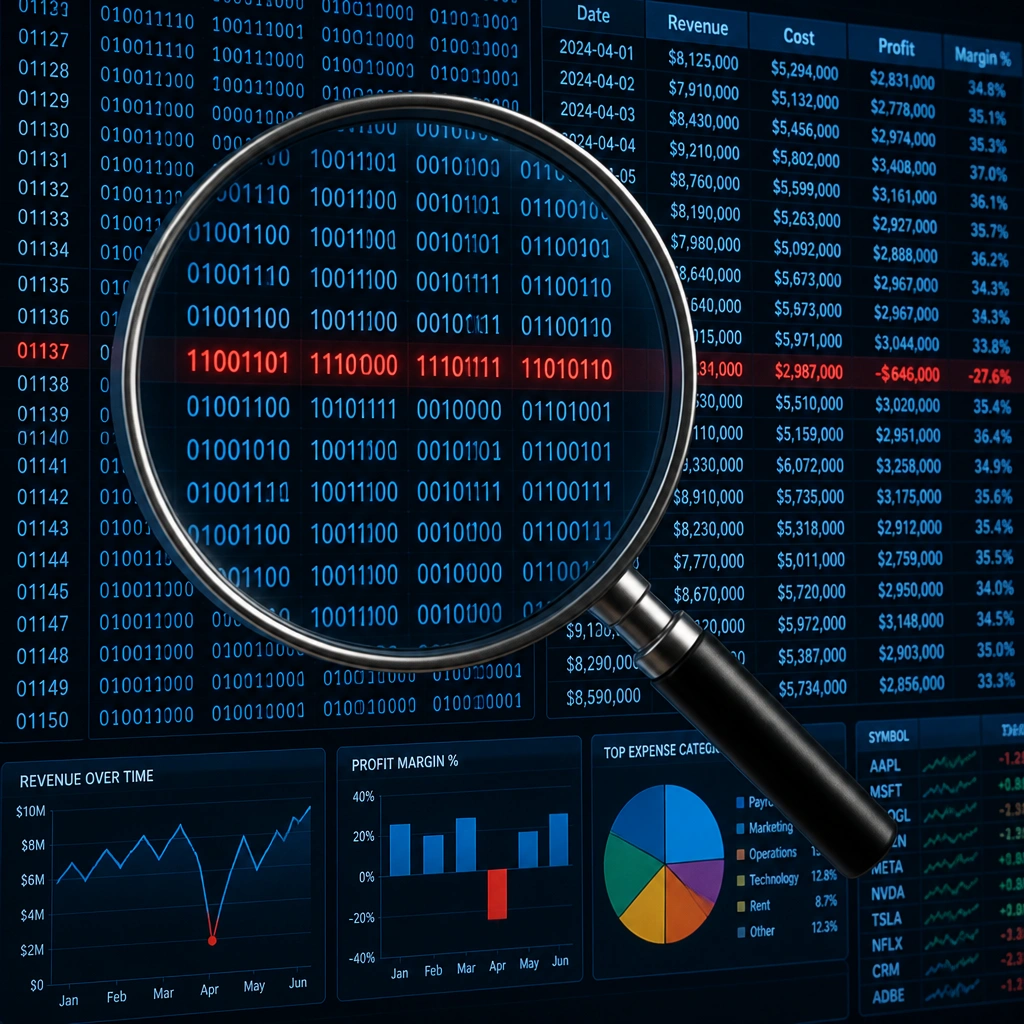
Here's the deal: if someone is cooking the books or taking kickbacks, they usually don't write it on the whiteboard for everyone to see. They try to hide it in the noise of thousands of daily transactions. If you had to read through every single spreadsheet manually, you'd go crazy. That’s where forensic data analysis saves the day. Think of it like running a specialized script on a network packet capture. You're looking for the weird anomalies—like payments made just under the approval limit, duplicate invoices, or transactions happening at 3:00 AM on a Sunday. Forensic data analysis lets you crunch massive datasets to spot those red-flag patterns that point to misconduct. It gives you the hard evidence you need to follow the trail. Trust me, the data never lies!
Full explanation below image
Full Explanation
The correct answer is A. Forensic data analysis involves the collection, preservation, and analysis of large, unstructured or structured electronic datasets (such as general ledger transactions, expense reports, emails, or system logs) during an investigation. Investigators use advanced querying, statistical analysis, and machine learning techniques to detect anomalies—such as split transactions to bypass authorization limits, transactions with sanctioned entities, or duplicate vendor payments—that warrant closer inspection. This objective, data-driven approach is critical for establishing the scope, duration, and root cause of potential misconduct.
Option B is incorrect because forensic analysis is an investigative tool used to uncover facts and analyze evidence; drafting a regulatory disclosure is a separate legal and administrative step taken after the analysis has yielded validated findings. Option C is incorrect because investigations must be objective and independent. Using forensic analysis with the predetermined goal of proving zero fault violates ethical standards of investigation and could result in missed misconduct. Option D is incorrect because the goal of an investigation is to find the truth and understand systemic issues, not to scapegoat a low-level employee to rush the closure of the case.