
Why must an organization ensure that its compliance function is allocated adequate resources, including funding, technology, and qualified personnel?
Select an answer to reveal the explanation.
Short Explanation
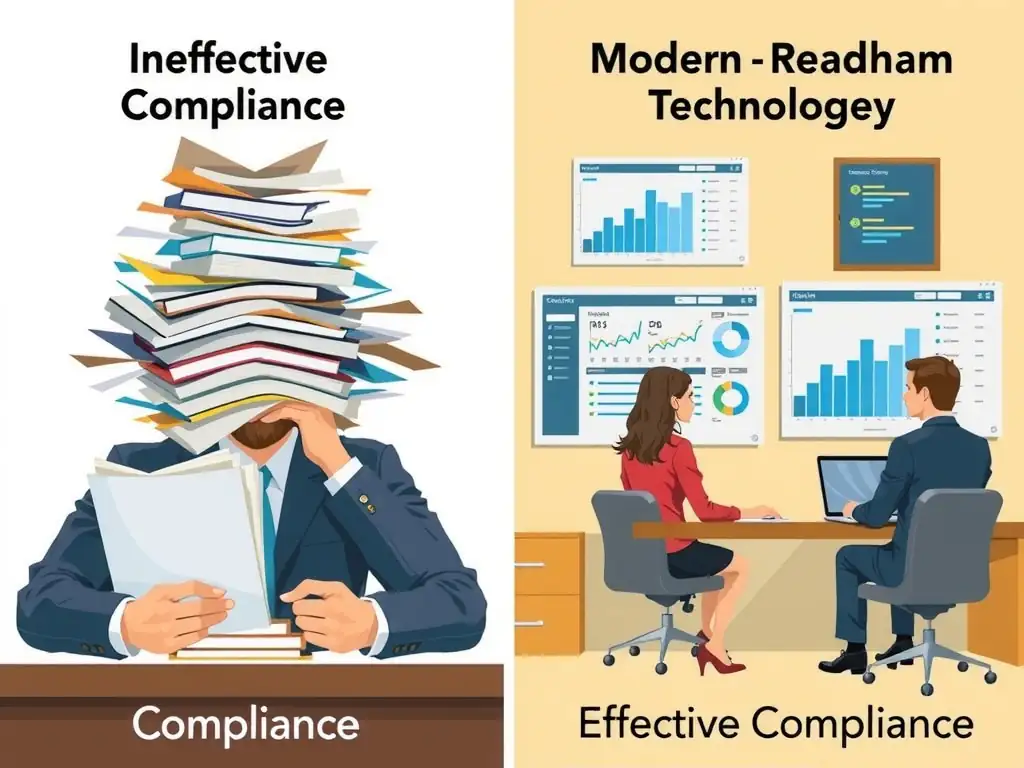
If you starve compliance of budget, tech, and skilled people, the program can't do its job. You need enough resources to implement, manage, and monitor compliance every day and over the long haul. Give the team the tools they need, or don't be surprised when controls break.
Full Explanation
The right answer is the option that says adequate funding, technology, and qualified personnel empower the compliance team to effectively implement, manage, and monitor the compliance program's daily and long-term initiatives. The adequacy of compliance resources is a primary factor evaluated by regulators, such as the US Department of Justice, when determining the effectiveness of a compliance program. Without sufficient funding, appropriate technology such as data analytics and hotline systems, and qualified personnel, a compliance department cannot execute its critical duties, which include conducting risk assessments, delivering training, auditing policies, and investigating reports of misconduct. An under-resourced department leads to a paper program that exists only on document templates but fails to manage real-world risks.
The option claiming that adequate resources eliminate the need for senior management and the board to perform ongoing oversight is incorrect because allocating resources does not replace management oversight; senior management and the board must actively oversee the compliance function to ensure it is operating effectively. The option suggesting that adequate resources allow the compliance department to hire an unlimited number of personnel without budget constraints is incorrect because all corporate departments operate within realistic budget constraints, and the goal is to have adequate and proportionate resources, not unlimited headcount. The option claiming that adequate resources guarantee the compliance department becomes the largest and most powerful division in the company is incorrect because compliance does not need to be the largest division; its size should be proportional to the organization's risk profile and business scale. A well-funded compliance department ensures that risk mitigation activities keep pace with the organization's commercial growth and changing regulatory landscapes.