
During an internal investigation into potential antitrust violations, the lead investigator emphasizes the need for strict confidentiality. What is the primary purpose of maintaining confidentiality during a compliance investigation?
Select an answer to reveal the explanation.
Short Explanation
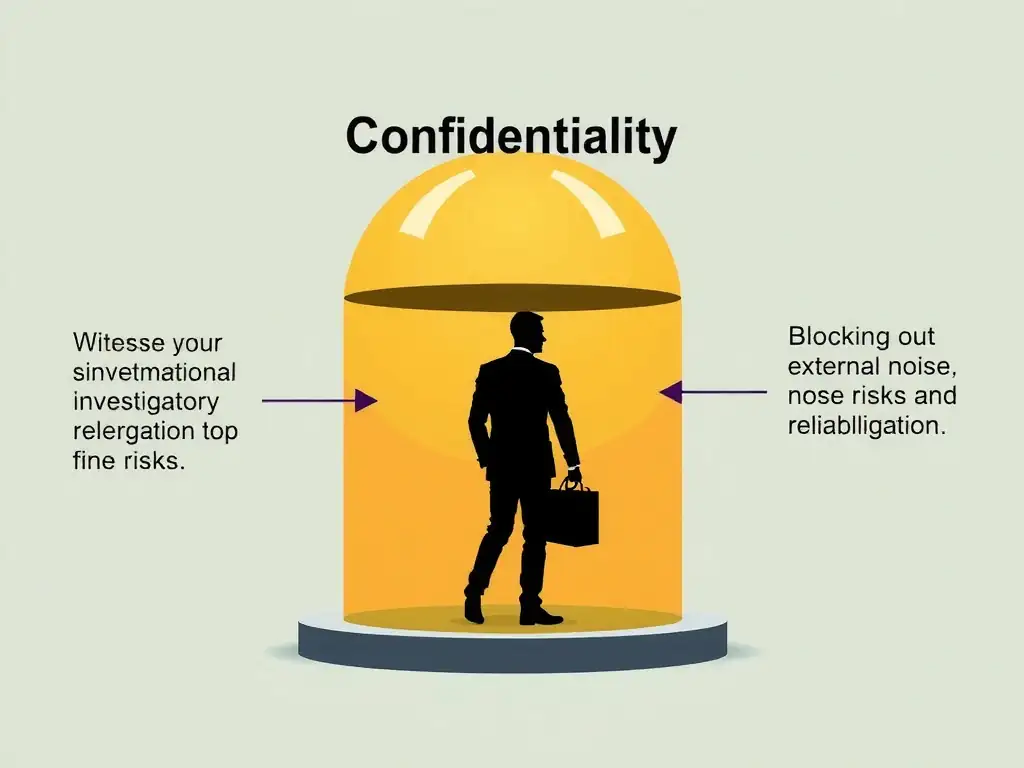
Here's the deal: if people think their names will get leaked, they'll clam up. Confidentiality protects the investigation's integrity and gives witnesses the confidence to tell you the truth without fearing reprisal.
Full Explanation
Confidentiality is a cornerstone of any effective compliance investigation. It serves multiple critical functions that protect both the organization and the individuals involved. A loss of confidentiality can lead to the destruction of evidence, the coordination of stories among witnesses, retaliation against the reporter or witnesses, and potential defamation claims. The correct answer is the one that says confidentiality protects the integrity of the investigation process and encourages witnesses to cooperate without fearing retaliation, because maintaining confidentiality preserves the investigation by preventing the spread of rumors and unauthorized sharing of details, which could bias witnesses or lead to evidence tampering. Furthermore, it fosters an environment of trust where employees feel safe reporting issues and participating in interviews, knowing that the company will protect them from retaliation or reprisal, which is a key requirement of a functional whistleblower program. The idea of concealing the ongoing investigation from the Board of Directors and executive leadership is incorrect because investigations must not be hidden from the Board. The board has ultimate oversight responsibility and must be informed of significant compliance matters. The idea of ensuring that absolutely no individuals outside the compliance department, including key witnesses, are aware of the allegations is incorrect because it is impossible and counterproductive to keep the investigation hidden from everyone outside the compliance department. Relevant witnesses, IT personnel for data retrieval, and executive sponsors must be involved on a need-to-know basis. The idea of guaranteeing that details are withheld from the public and media, even if disclosure is legally required, is incorrect because confidentiality cannot be used to bypass legal disclosure obligations. If regulatory authorities or court orders require the disclosure of investigation details, the company must comply, regardless of internal confidentiality protocols.