During an internal audit, the compliance department discovers that a senior procurement manager responsible for international contracts has repeatedly ignored deadlines to complete mandatory anti-bribery training. According to the FSGO, which action should the organization take?
Select an answer to reveal the explanation.
Short Explanation and Infographic
Pay close attention here: compliance training isn't some optional HR webinar. If a senior procurement manager handles international deals and refuses to take anti-bribery training, that's a ticking time bomb! Under the FSGO, your program must have teeth. If someone ignores the rules, there must be consequences, and those consequences must be documented. If you let it slide because they're a high performer, you're telling the whole company that compliance doesn't matter. The correct answer is C. You don't reward them, you don't fire them without due process, and you definitely don't look the other way. Enforce the policy, document the discipline, and protect the organization.
Full explanation below image
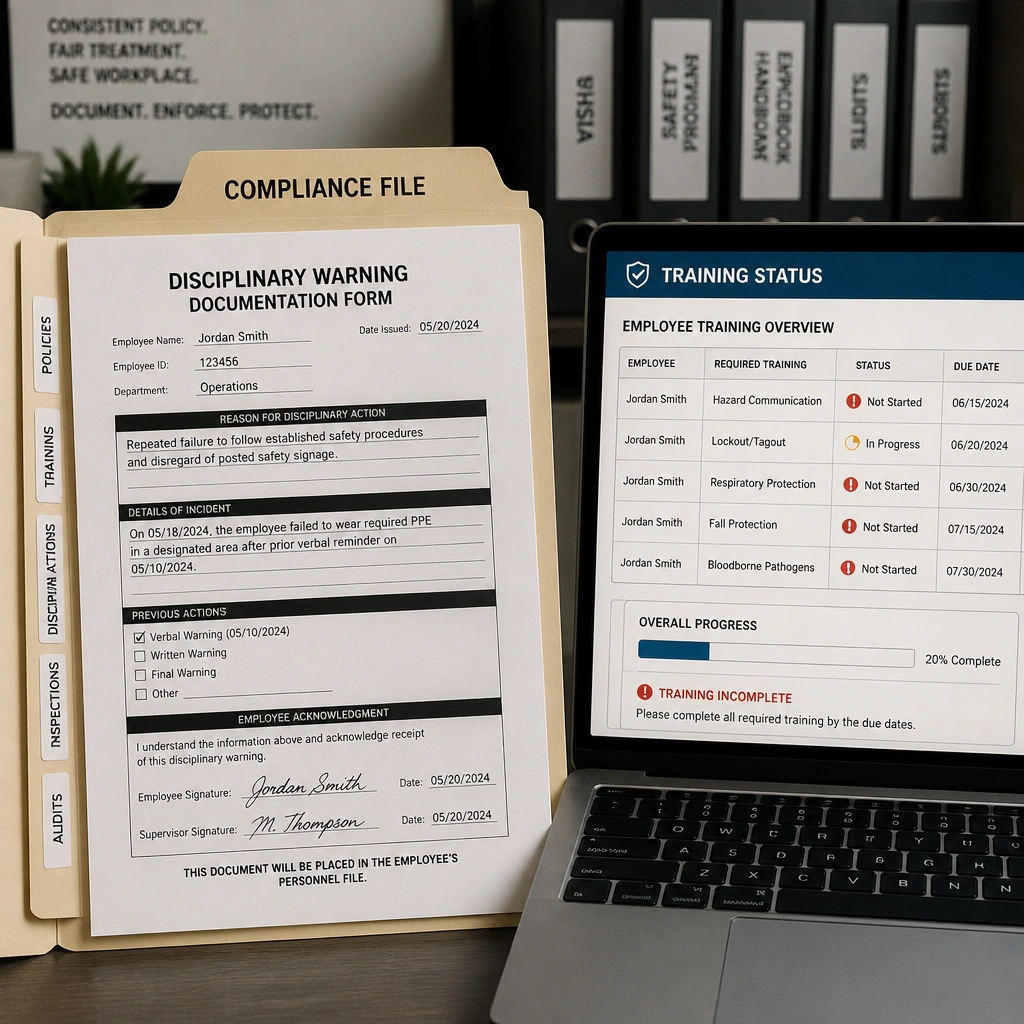
Full Explanation
The correct answer is C. Under the Federal Sentencing Guidelines for Organizations (FSGO), an effective compliance program must be promoted and enforced consistently throughout the organization. This requires the application of appropriate disciplinary measures for individuals who fail to comply with policies, including mandatory training requirements. When a high-risk employee like a senior procurement manager fails to complete critical training, the compliance department must apply the organization's progressive discipline policy. Documenting this action is vital to prove to regulators that the compliance program has real authority and is not a mere "paper program."
Let's examine why the other options are incorrect: - Option A is incorrect because offering incentives or rewards for compliance with basic mandatory policies creates a moral hazard and signals to other employees that rules are optional unless incentivized. - Option B is incorrect because immediate termination without due process or a formal inquiry is administratively reckless and can expose the company to wrongful termination or labor lawsuits; discipline should follow the established progressive policy. - Option D is incorrect because ignoring compliance violations for top performers destroys the program's credibility and exposes the company to increased liability under the FSGO, which states that no individual is above compliance requirements.