
A compliance officer is preparing to conduct a comprehensive gap analysis of the organization's current compliance program. What is the primary objective of this exercise?
Select an answer to reveal the explanation.
Short Explanation
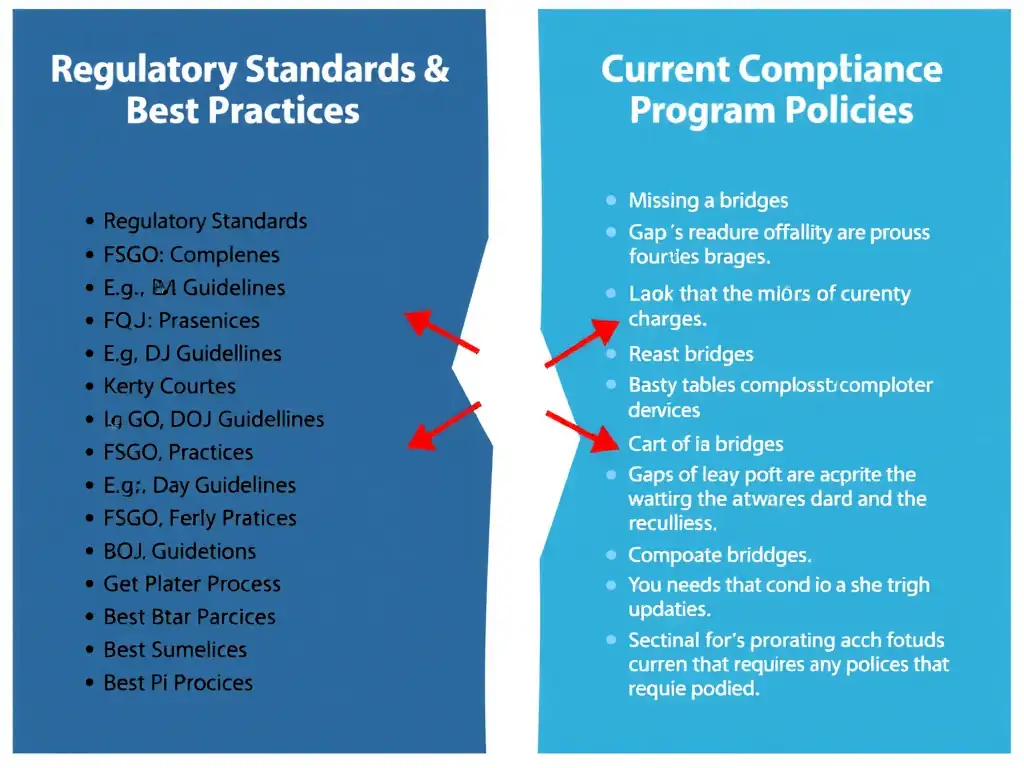
Think of a gap analysis like checking your network map against the actual wiring in the closet: you're looking for the places where your current setup doesn't match what the rules or best practices say you should have. If you don't know where the holes are, how are you going to patch them? It's not about making a perfect program on day one; it's about finding your vulnerabilities so you can fix them before regulators—or worse, a major breach—do it for you.
Full Explanation
Compliance gap analysis is a systematic review designed to compare an organization’s current compliance program status against external benchmarks, legal mandates, and industry best practices. Its goal is to detect vulnerabilities, omissions, and weaknesses in policies, procedures, or training. The correct objective is to identify specific areas where existing policies and practices fall short of regulatory expectations or industry best practices, because the primary purpose of a gap analysis is to determine where the organization's compliance infrastructure falls short of regulatory guidelines, such as the Federal Sentencing Guidelines for Organizations or Department of Justice guidance, so that corrective action can be taken. The objective of formally certifying to regulators that the program is completely free of deficiencies is incorrect because no compliance program can be guaranteed to be absolutely perfect or infallible, and a gap analysis is a diagnostic tool rather than a certification of perfection. The objective of comparing the organization's financial return on investment against its direct competitors is incorrect because comparing financial performance to competitors is a business strategy and market analysis function, not the role of a compliance gap analysis. The objective of evaluating employee retention rates and identifying personnel who are likely to resign is incorrect because analyzing employee attrition risk falls under Human Resources talent management, not compliance program auditing.