
In a mature compliance program, what is the primary benefit of performing continuous monitoring of compliance controls?
Select an answer to reveal the explanation.
Short Explanation
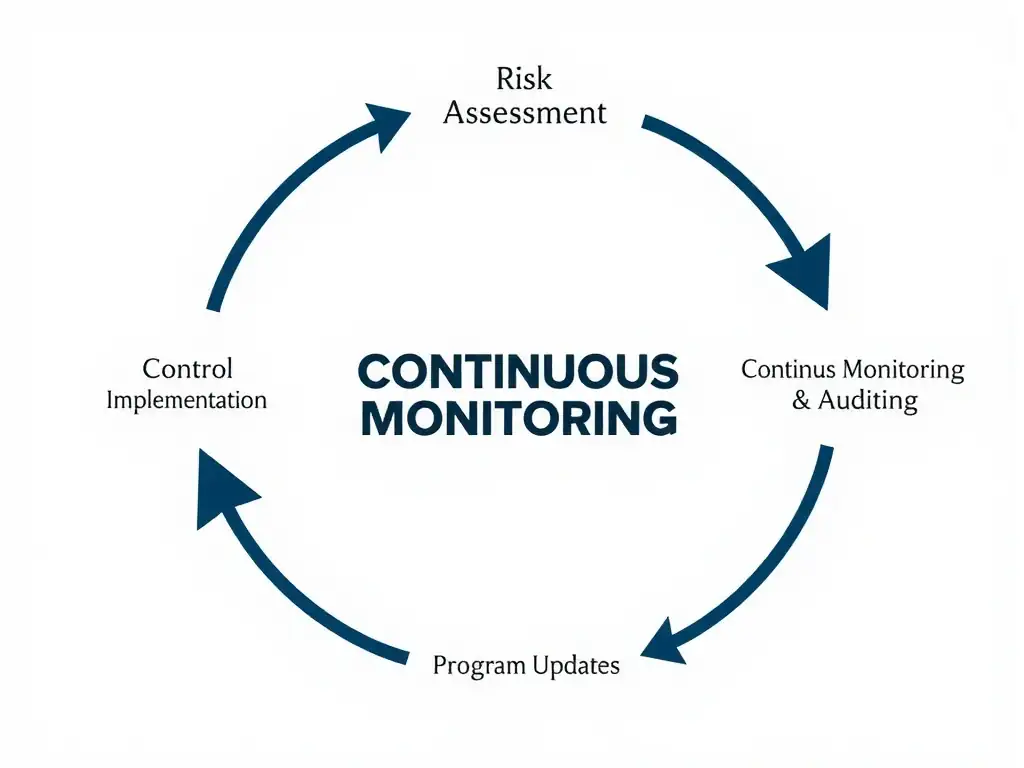
Think of continuous monitoring like dashboard gauges for your compliance controls. You need to know they're still working as risks, regulations, and operations change. That way you can spot weaknesses early and tweak the program before they blow up.
Full Explanation
Continuous monitoring refers to the ongoing processes, automated metrics, and technology-driven assessments used to evaluate the operational effectiveness of compliance controls. It is a critical component of a proactive compliance program, as recognized by regulatory bodies like the Department of Justice. The correct answer is the one that says continuous monitoring verifies that controls remain functional over time and adapt to changing operational and regulatory risks, because it provides real-time feedback, enabling organizations to detect control failures, adjust to business changes, and update their programs to address new risk profiles. It shifts the compliance function from a reactive audit model to a proactive prevention model, ensuring that policies are not just paper documents but are actually active in daily operations. The choice about identifying minor employee errors for immediate punitive action is incorrect because the primary goal of monitoring is system improvement and risk mitigation, not finding reasons to punish employees for minor mistakes. Punitive measures should be fair and consistent, but the main goal of monitoring is operational integrity. The choice about maintaining a static system and preventing modifications to existing compliance policies is incorrect because monitoring is meant to drive continuous improvement and necessary updates, not keep the program static. Static programs will eventually become obsolete as regulations and business operations evolve. The choice about focusing exclusively on tracking the compliance department's annual operational budget is incorrect because budget tracking is an administrative or accounting function, which represents only a small portion of the chief compliance officer's broader risk monitoring duties. Budgeting does not assess the operational effectiveness of compliance controls. Furthermore, continuous monitoring allows compliance officers to leverage data analytics to identify trends and outliers, such as unusual transaction patterns or spikes in specific hotline complaints. This data-driven approach helps target training and resources to departments that need it most, showing regulators that the company is actively and intelligently managing its compliance risks rather than just checking a box.