
A model's approval was skipped because it scored well on an accuracy benchmark. Why is a high accuracy score not sufficient grounds to skip lifecycle review?
Select an answer to reveal the explanation.
Short Explanation
Even a highly accurate model can be trained on data it shouldn't have, or deployed somewhere it shouldn't be. You still need the lifecycle review to check data handling, bias, controls, and accountability.
Full Explanation
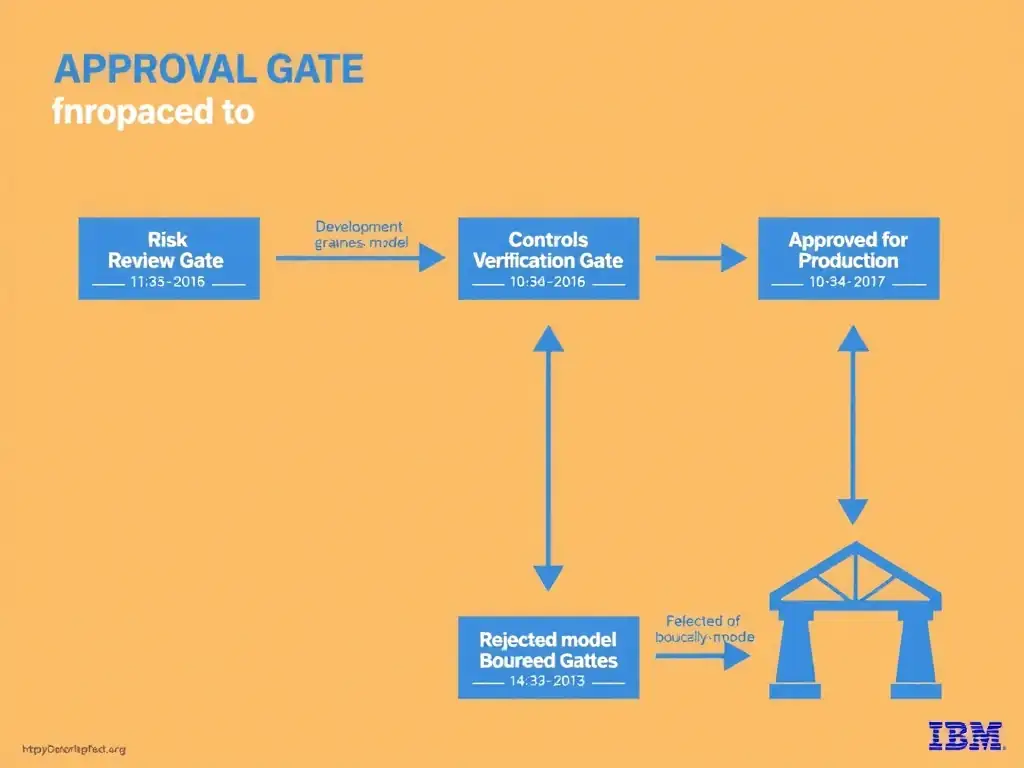
Structured review exists to check what a benchmark score cannot: whether data was sourced and used appropriately, whether controls are in place, and whether the risk profile has been assessed and signed off. Accuracy measures one dimension of performance and says nothing about data handling, bias, control design or accountability, all of which the review is meant to check. The claim that accuracy benchmarks are unreliable and should never be used is wrong: benchmarks are a legitimate, useful input; the issue is treating them as sufficient on their own. The claim that high accuracy models are statistically more likely to fail in production is wrong: accuracy has no consistent relationship with production failure risk in this way. The claim that skipping review is fine above ninety-five percent is wrong: no accuracy threshold substitutes for the governance checks review is designed to perform. For the exam, never let a performance metric stand in for a risk and controls review.