
The standard offboarding script for a retired model deletes every associated record, including its evaluation history and approval documentation. What is the problem with this script?
Select an answer to reveal the explanation.
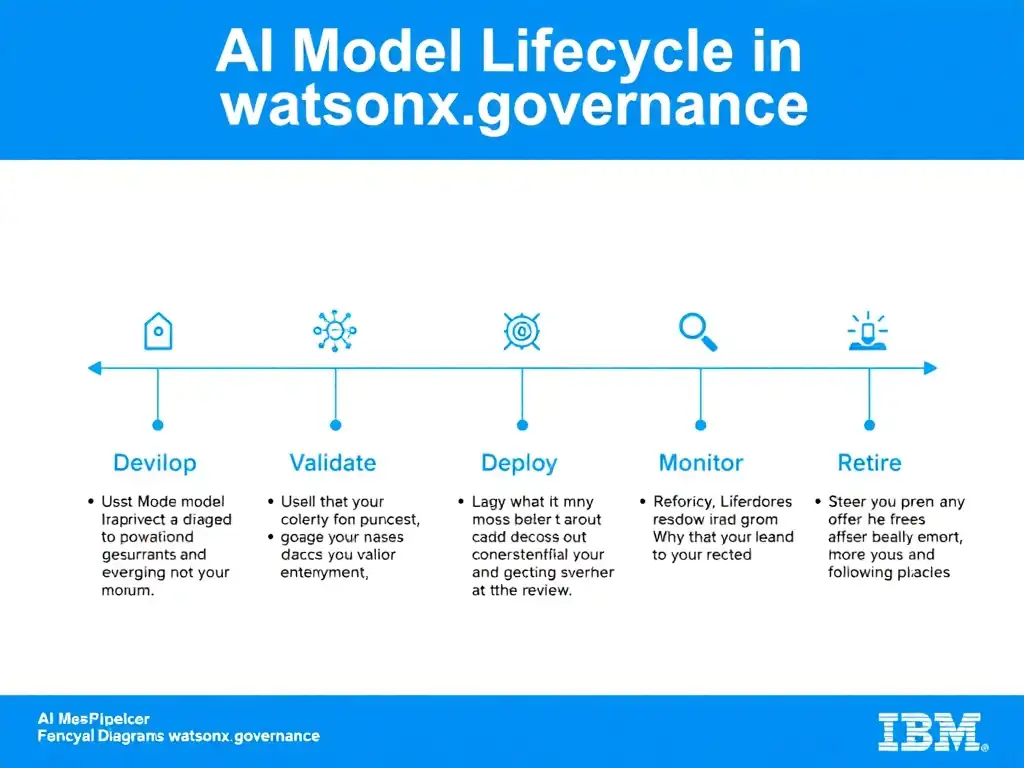
Short Explanation
You need the evaluation history and approval trail to prove what happened after the model's gone. Deleting them at retirement erases the proof at the worst possible time.
Full Explanation
The correct answer is the one that says the script removes evidence that governance obligations require to be preserved even after a model is no longer in use. Evaluation results, approvals, and other governance evidence often need to remain available after retirement to support audits, investigations, or later questions about the model's behaviour while it was in use.
The answer claiming there is no problem because a retired model's history has no further value once the model stops running is incorrect because the value of that history is precisely for after the model stops running, when it becomes the only remaining record of how the model behaved and was governed.
The answer saying the only problem is that deletion takes longer to execute than archiving would is incorrect because it treats a data-loss problem as a performance detail, when the real issue is that required evidence disappears.
The answer saying the problem only applies if the model was customer-facing and internal models can have their history deleted freely is incorrect because internal models can carry the same audit and accountability obligations as customer-facing ones, depending on what they were used for.
For the exam, flag any offboarding process that deletes evidence rather than archiving it.