
Which combination best describes the lakehouse approach to serving multiple analytical workloads?
Select an answer to reveal the explanation.
Short Explanation
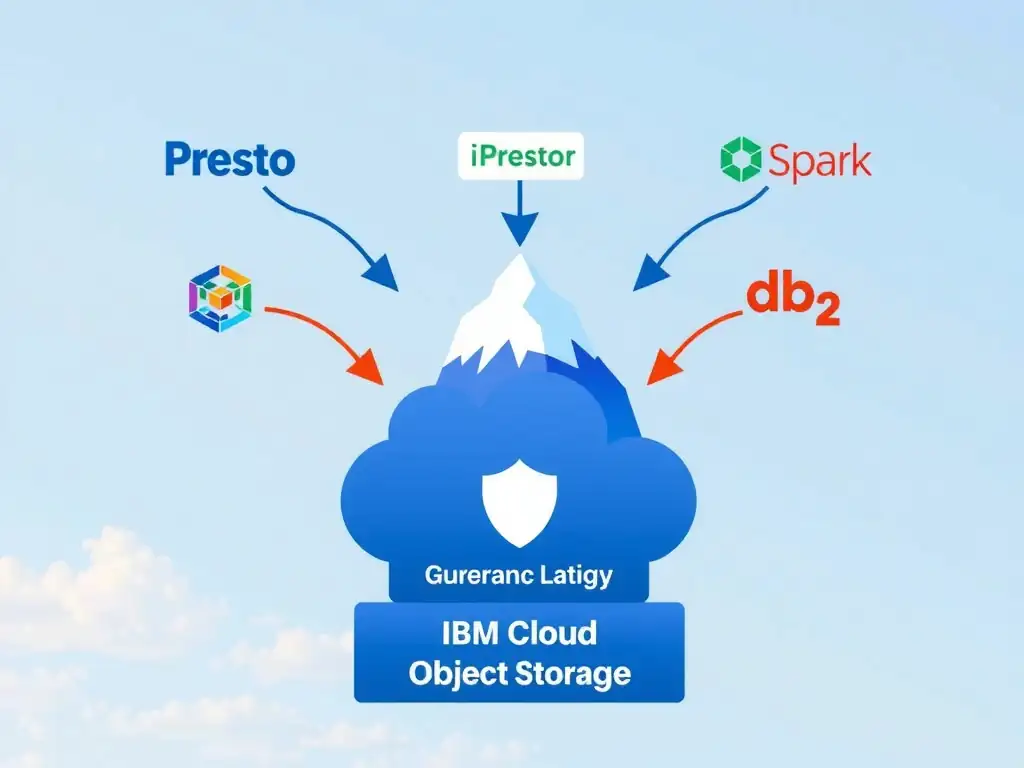
Share the data, vary the compute. You let batch, interactive and machine learning each get an engine that suits them, all pointed at the same governed tables - and you don't maintain a synchronisation job to keep three copies agreeing.
Full Explanation
The correct answer is shared governed tables in open formats on object storage, with different engines selected per workload reading that same data. The lakehouse serves diverse workloads by separating what is shared - governed tables in open formats on object storage - from what varies, which is the compute. Each workload gets an appropriate engine without a copy of the data. A dedicated copy of the data per workload, each tuned for its access pattern, is incorrect because per-workload copies bring drift, duplicated governance and permanent synchronisation cost. One general-purpose engine handling every workload, with data copied in as needed, is incorrect because forcing one engine onto every workload sacrifices fit, and copying data into it contradicts the shared-storage model. Raw files per workload with no shared metadata, so teams remain independent, is incorrect because independence without shared metadata means no discoverability, no consistent definitions and no unified governance - a data swamp rather than a lakehouse. For the exam, the phrase to look for is shared governed data with workload-appropriate engines.