
What does storing lakehouse data in an open table format most directly protect an organisation against?
Select an answer to reveal the explanation.
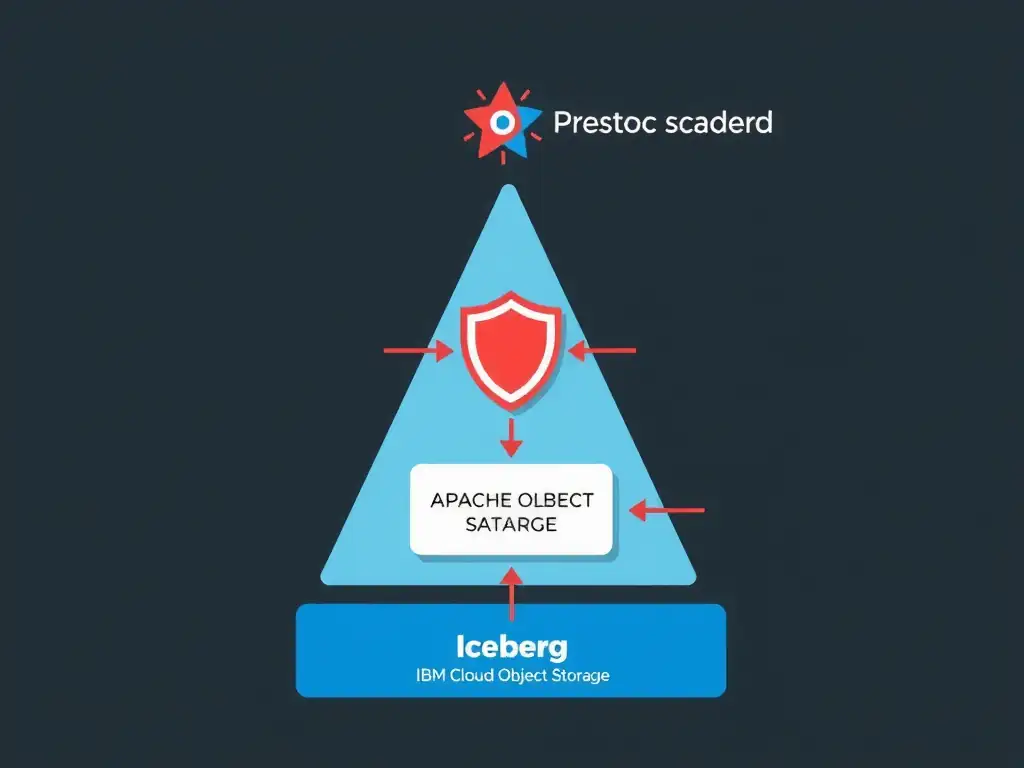
Short Explanation
Open format means you can change your mind about engines later. That’s the protection against vendor lock-in — not durability, not security, not schema policing, all of which come from other layers entirely.
Full Explanation
The correct answer is vendor lock-in — the data remains readable by other conforming engines and tools without a migration. An open, publicly specified format means the data is not captive to the engine that wrote it. Another conforming engine can read the same tables, so replacing or adding compute does not require exporting and reloading the corpus.
The option about data loss, since open formats replicate data across regions automatically, is incorrect because durability and replication are properties of the storage service. The table format is unaware of regions.
The option about unauthorised access, since open formats encrypt table contents by default, is incorrect because encryption is provided by the storage layer and access control by governance. The format specifies structure and transactional semantics.
The option about schema errors, since open formats reject any write that changes a column type, is incorrect and inverts a key feature: these formats support schema evolution, including compatible type changes, rather than forbidding change.
For the exam, map each protection to its layer - storage for durability, governance for access, format for portability and table semantics.