
Two teams report different totals for the same metric. Investigation shows each maintains its own transformation deriving the metric from the same raw tables. What is the appropriate fix?
Select an answer to reveal the explanation.
Short Explanation
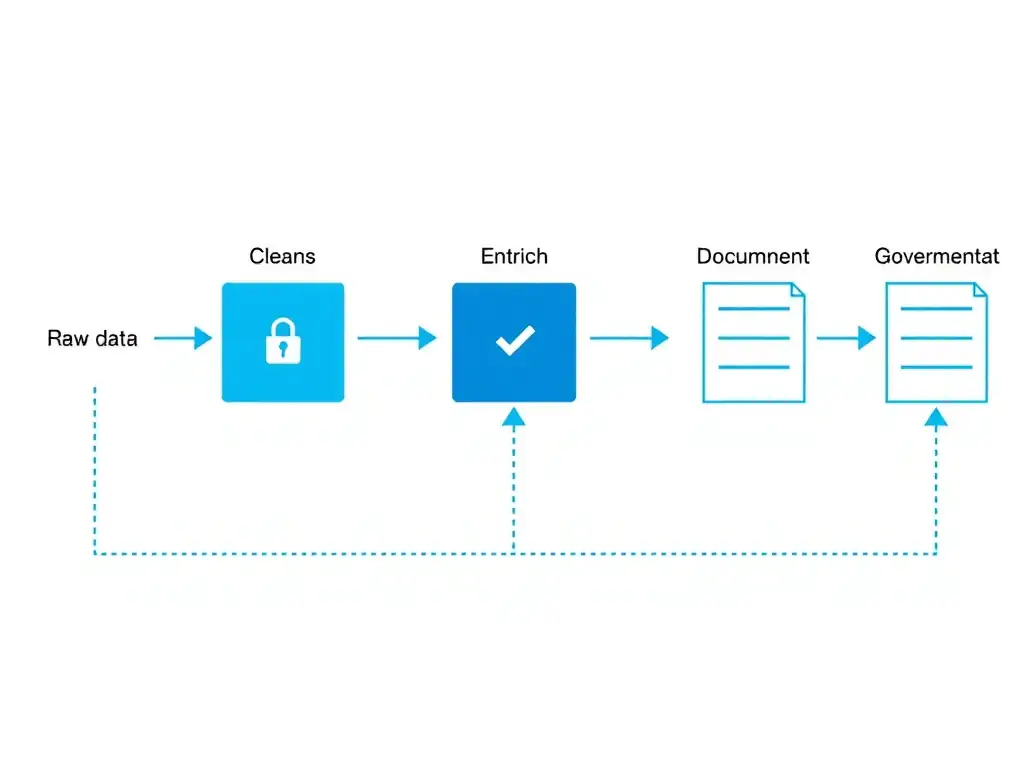
Two pipelines, two definitions, two answers - and there's no third number that reconciles them. Agree the definition once, build it once, publish it once, and have both teams consume that one table. Everything short of that is annotating a problem instead of removing it.
Full Explanation
The correct approach is to agree a single definition, implement it in one governed pipeline, and have both teams consume that published table. Duplicated transformation logic guarantees divergence, because each copy encodes slightly different assumptions about filters, joins and edge cases. Consolidating into one governed pipeline with an agreed definition removes the source of the discrepancy rather than describing it. Adding reconciliation notes to their reports is incorrect because reconciliation notes institutionalise the problem. Consumers still have to decide which number to trust, every time. Designating one team's number as authoritative and asking the other to adjust theirs to match is incorrect because it fixes today's discrepancy without removing the second pipeline. The two implementations diverge again on the next edge case. Increasing the refresh frequency of both pipelines so the numbers converge is incorrect because the difference is definitional, not temporal. Running both more often produces disagreeing numbers more frequently. For the exam, the intended answer for two versions of one metric is consolidation into a single governed definition.