
Which factor should primarily drive the choice of engine for a given workload?
Select an answer to reveal the explanation.
Short Explanation
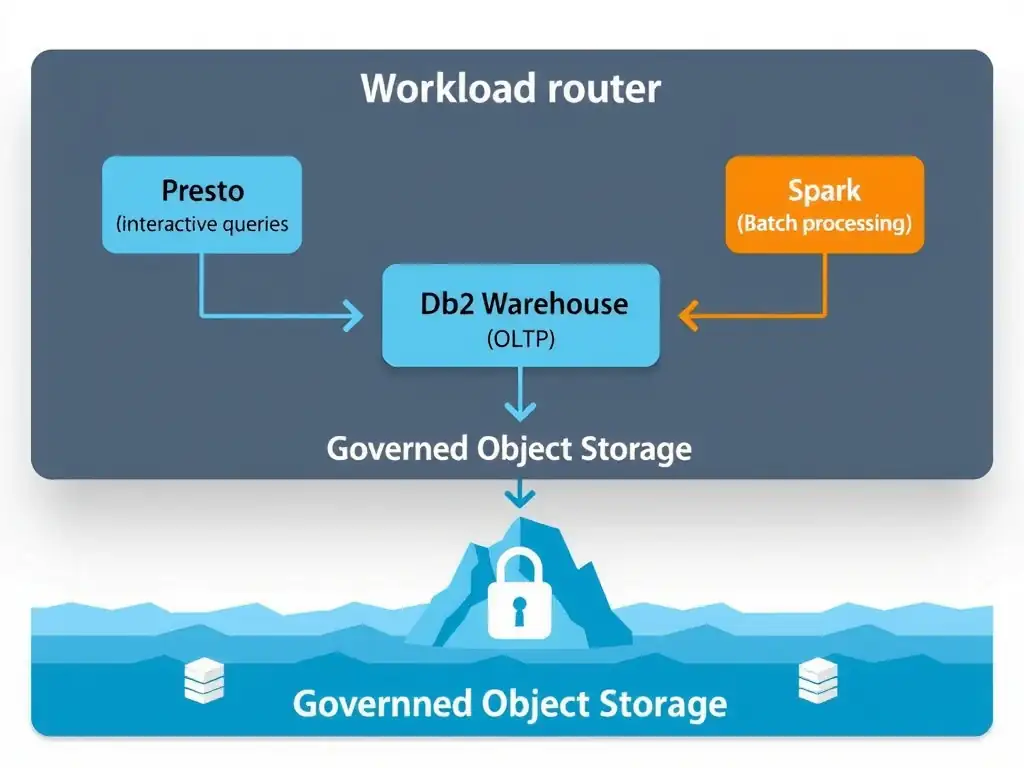
You describe the workload first, then pick the engine that fits it. Concurrency, latency expectations, query complexity, and data volume are what drive the choice. Popularity and provisioning order are not architectural arguments, however often they decide things in practice.
Full Explanation
Engine selection is a fit question. How many concurrent users, how fast results must come back, how complex the statements are, and how much data is scanned determine which engine and what size is appropriate. The workload's characteristics matched to what each engine is suited to is therefore the primary driver. The engine that the largest number of existing users are already connected to is incorrect because existing connections reflect history and convenience, not suitability, and piling more workload onto a popular engine is how contention starts. The storage tier the data currently occupies is incorrect because tiering is a storage cost decision independent of which engine reads the data. Which engine was provisioned most recently is incorrect because provisioning order carries no information about fit. For the exam, justify engine choice from workload characteristics.