
A dashboard must reflect operational data within a few seconds of it changing. What does this requirement imply for the integration design?
Select an answer to reveal the explanation.
Short Explanation
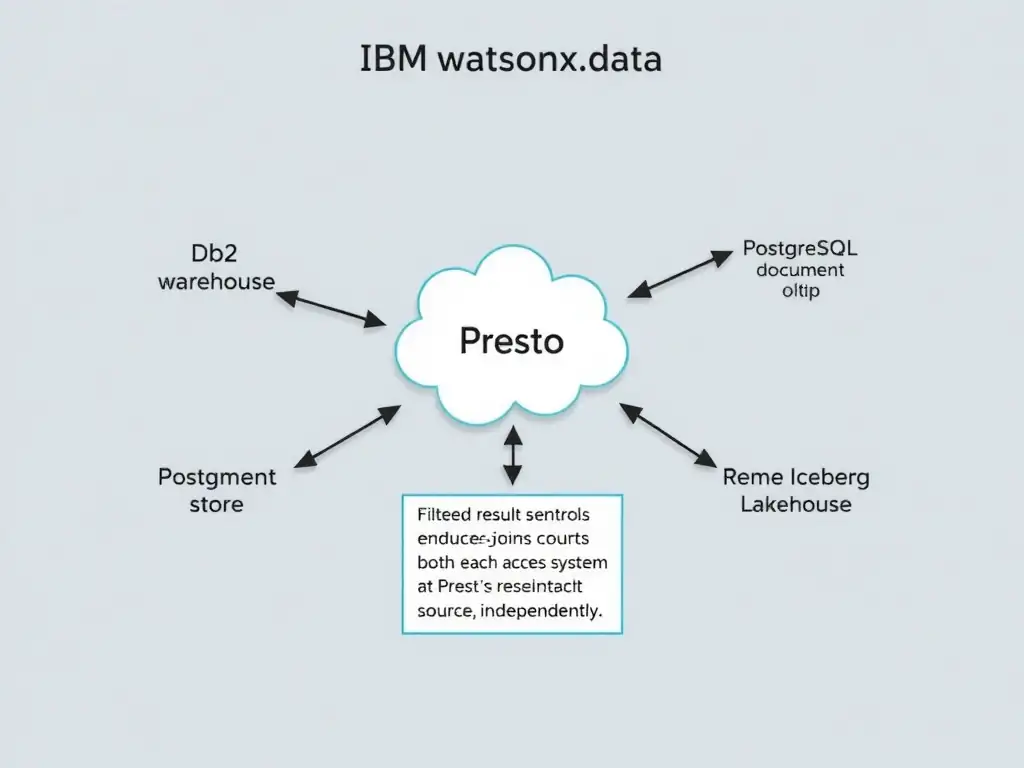
You need data that's fresh, not just fast. If it's loaded in a batch, it's already old, so use a low-latency pattern like federation or streaming ingestion.
Full Explanation
The correct answer is the one saying that the latency requirement rules out infrequent batch loads, so a low-latency pattern such as federation or streaming ingestion is needed. Data freshness is a property of the integration pattern. A batch loaded overnight is up to a day old no matter how quickly it is queried, so a seconds-level requirement forces either querying the source in place or a continuous ingestion path.
The option about a larger query engine is incorrect because a larger engine reduces query execution time, not the age of the data it reads.
The option about storing data on the fastest storage tier available is incorrect because a faster storage tier improves read throughput, again without making stale data any fresher.
The option about caching dashboard results more aggressively is incorrect and moves in the wrong direction: caching increases the age of what the dashboard shows.
For the exam, separate freshness - set by the integration pattern - from query speed, set by engine and storage.