
Which statement best summarises sound use of incidents, issues and alerts?
Select an answer to reveal the explanation.
Short Explanation
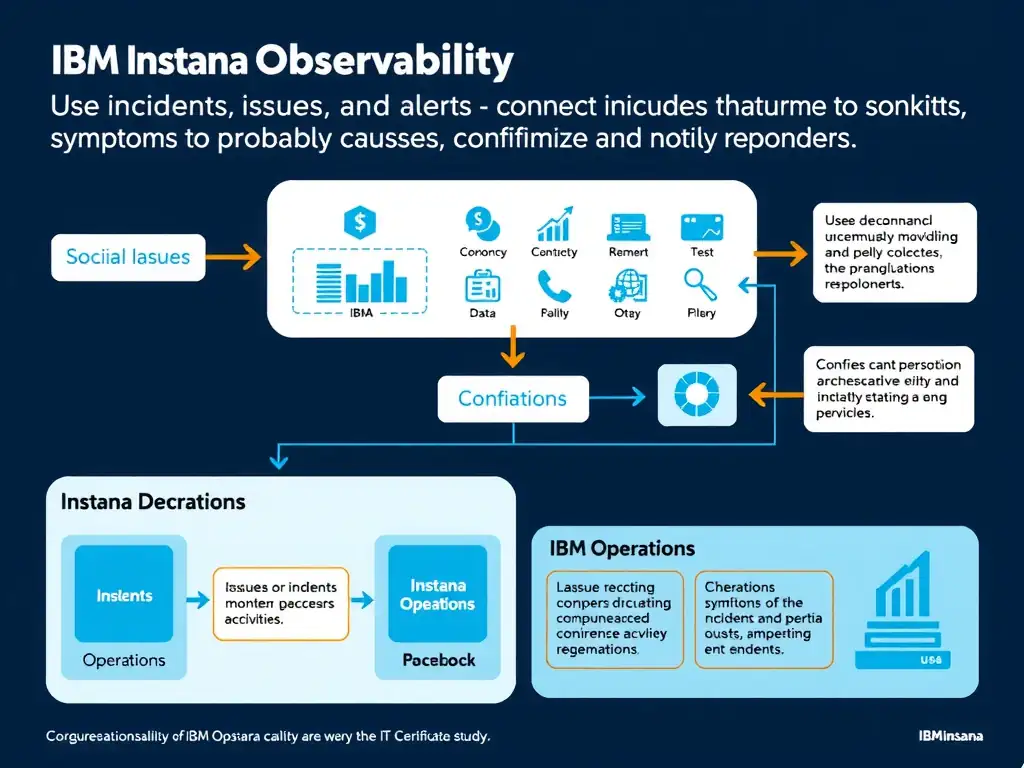
You need issues to detect abnormal conditions, incidents to correlate them to a probable cause, and alerts to notify responders. Keep alerts few enough so responders don't tune them out, and don't mark problems resolved unless they're actually fixed.
Full Explanation
The best summary is letting issues detect abnormal conditions, incidents correlate them to a probable cause, and alerts notify responders, while keeping alerts few enough to stay meaningful and resolution status honest. The three layers do different jobs, and their operational value depends on alerts being scarce enough to be read and on resolution reflecting what was actually fixed. Configuring a permanent alert per service and suppressing alerting during peak periods is incorrect because alerting on everything and then suppressing during peaks combines maximum noise with blindness at the worst moment. Relying on alerts alone is incorrect because issues and incidents carry the correlation and causal context that a bare alert lacks. Closing warnings promptly to keep the incident list short and readable is incorrect because a tidy list bought by false resolutions hides live problems. For the exam, connect the three layers to alert discipline and honest resolution.