
A proof of concept grouped code by file-sharing alone, and the resulting services turned out to be tightly coupled. What was missed?
Select an answer to reveal the explanation.
Short Explanation
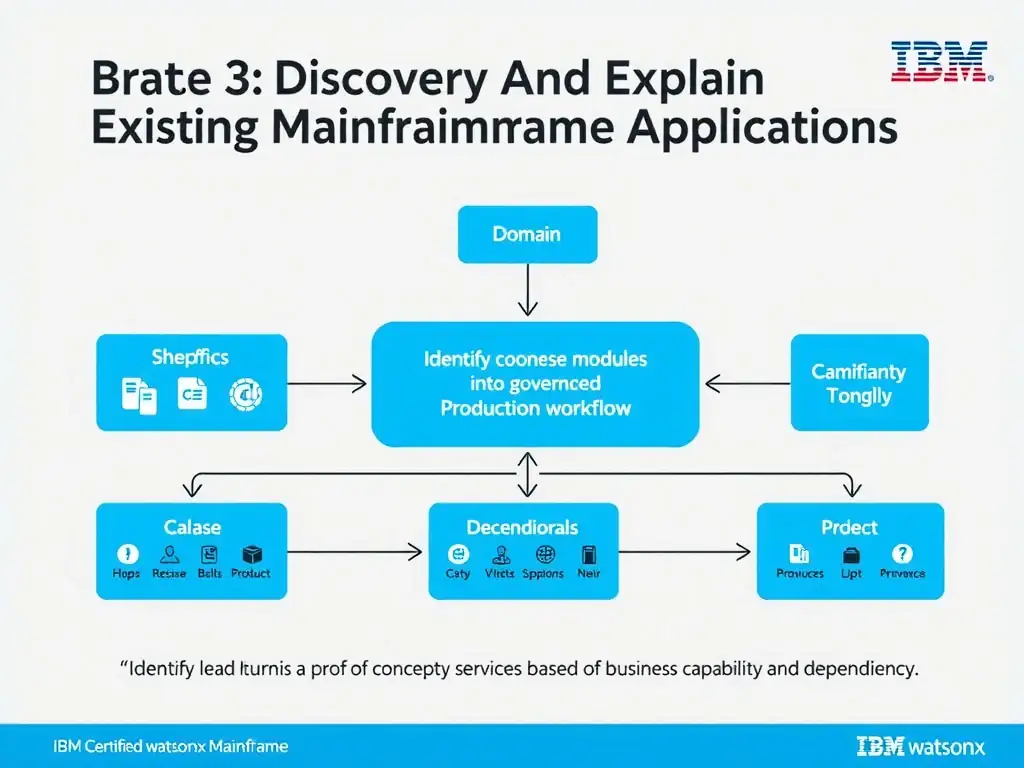
Sharing a file isn't the same as belonging together. You missed the business-capability and dependency analysis that would have separated genuinely related logic from code that only happened to touch the same file. That's what made the services tightly coupled.
Full Explanation
The correct answer is the business-capability and dependency analysis. Grouping by incidental file access rather than by capability and true dependency produces services that must constantly call each other, which is exactly the coupling this proof of concept hit. The larger development team choice is incorrect because more staff does not fix a structural boundary problem. The newer version of the file access library choice is incorrect because the library version is unrelated to how boundaries were chosen. The faster network link choice is incorrect because network speed does not address why the services are entangled in the first place. For the exam, trace unwanted coupling back to how boundaries were originally drawn.