
A customer wants to combine every optimization suggestion from a code review into a single unreviewed rewrite to save time. Why is this the wrong approach?
Select an answer to reveal the explanation.
Short Explanation
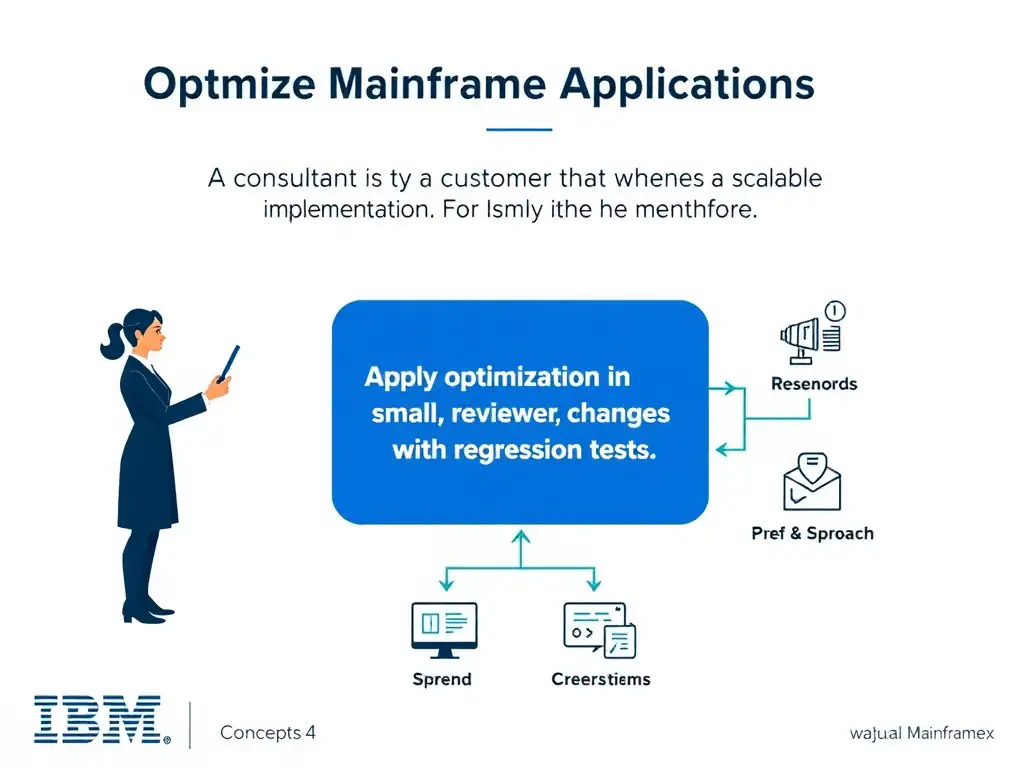
You can’t isolate which change caused a regression when every optimization lands in one unreviewed rewrite. You also skip the review that catches problems before production. Keep changes small and reviewed.
Full Explanation
The correct answer is the one that says combining every optimization into a single unreviewed rewrite removes the ability to isolate which change caused a regression and skips the review that catches problems before they reach production. When several optimizations land together with no individual review, a regression anywhere in the batch cannot be traced to a specific change, and the review step that would have caught it never happened. The option claiming a single rewrite is fine as long as the final build compiles without errors is incorrect because compiling successfully says nothing about whether behaviour changed; regressions in logic or performance are not compile errors. The option saying it is fine provided the rewrite is deployed to a test region first and monitored for a few hours is incorrect because a few hours of monitoring in a test region does not substitute for reviewing each change against its own regression tests. The option saying combining changes is only risky when the application is customer-facing is incorrect because the risk of unreviewed combined changes is the same regardless of whether the application is customer-facing; it is a property of the process, not the audience. For the exam, keep optimization changes small and reviewed individually, never batched into one unreviewed rewrite.