
A volunteer fire-hall roster tool uses GenAI to flag “anomalies” in last night’s run, but many flags are not real defects. Which quality metric is most directly suffering?
Select an answer to reveal the explanation.
Short Explanation
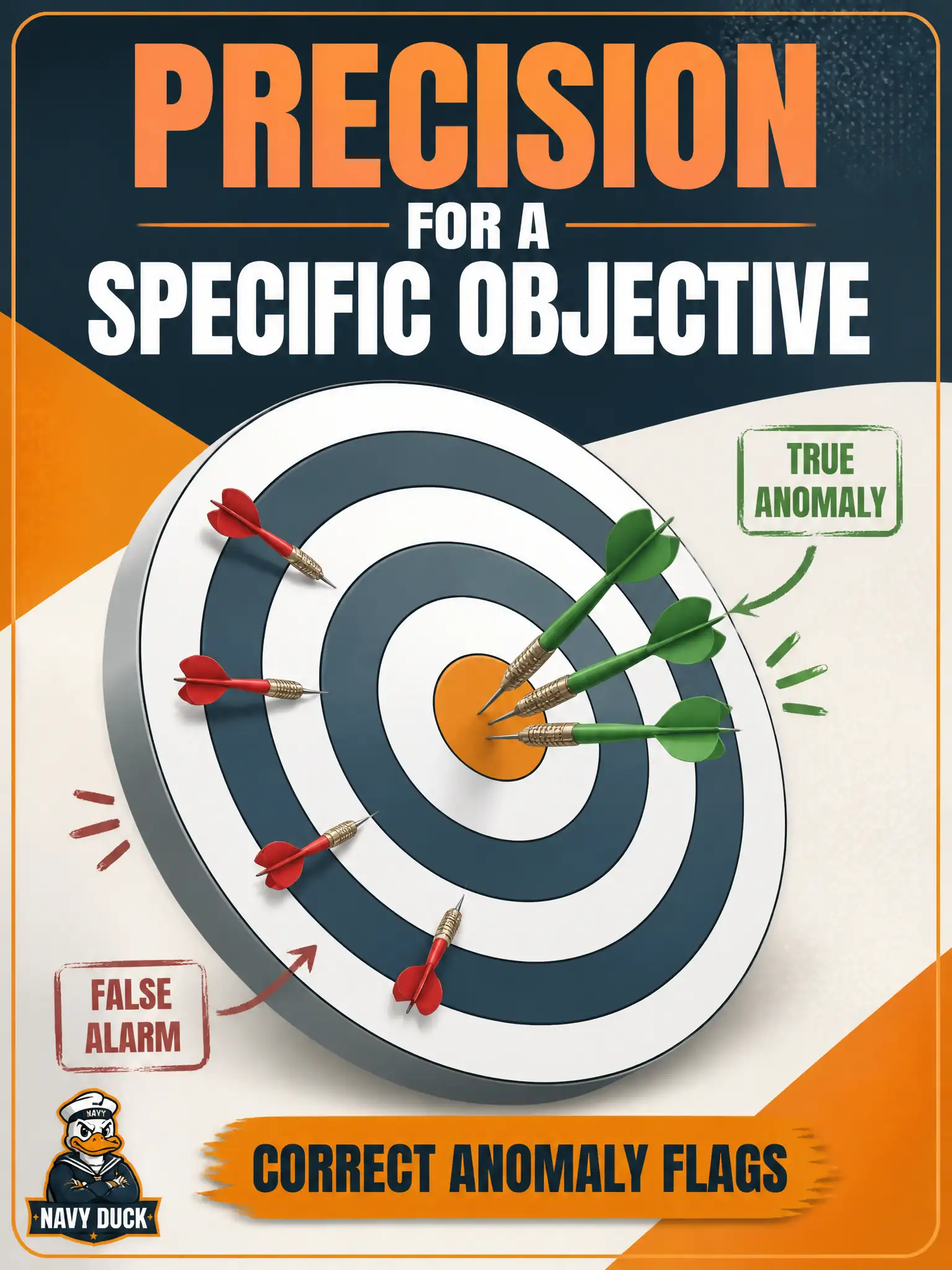
Lots of false alarms means weak precision—the flags aren’t hitting the real anomalies often enough. Sounding fluent doesn’t fix that.
Full Explanation
If a volunteer fire-hall roster tool uses GenAI to flag anomalies in last night’s run but many flags are not real defects, the metric most directly suffering is precision—correctness of the output for the specific objective of correctly identifying anomalies. Civic emergency-staffing tools that cry wolf waste scarce volunteer time and bury true roster defects. Redefining recall as mobile UI load speed fails by swapping a detection metric for a performance measure. Measuring diversity only by total token count fails because volume is not variety of meaningful anomaly types. Measuring relevance only by grammatical fluency fails because fluent false alarms are still imprecise for the anomaly objective. Exam caveat: precision asks what fraction of flagged items are true anomalies for the stated goal. Operational check: label a night’s GenAI flags as true/false anomalies with a fire-hall lead, compute precision, tighten prompts or thresholds when civic false positives dominate, and re-check before relying on the anomaly feed for staffing decisions. Retain the municipal audit note so later testers can see why the decision protects public service quality and fairness. Retain the municipal audit note so later testers can see why the decision protects public service quality and fairness.