
During a design review, an architect asks which choice best matches the IBM guidance. The team is focused on approval workflow. Which recommendation is most appropriate?
Select an answer to reveal the explanation.
Short Explanation and Infographic
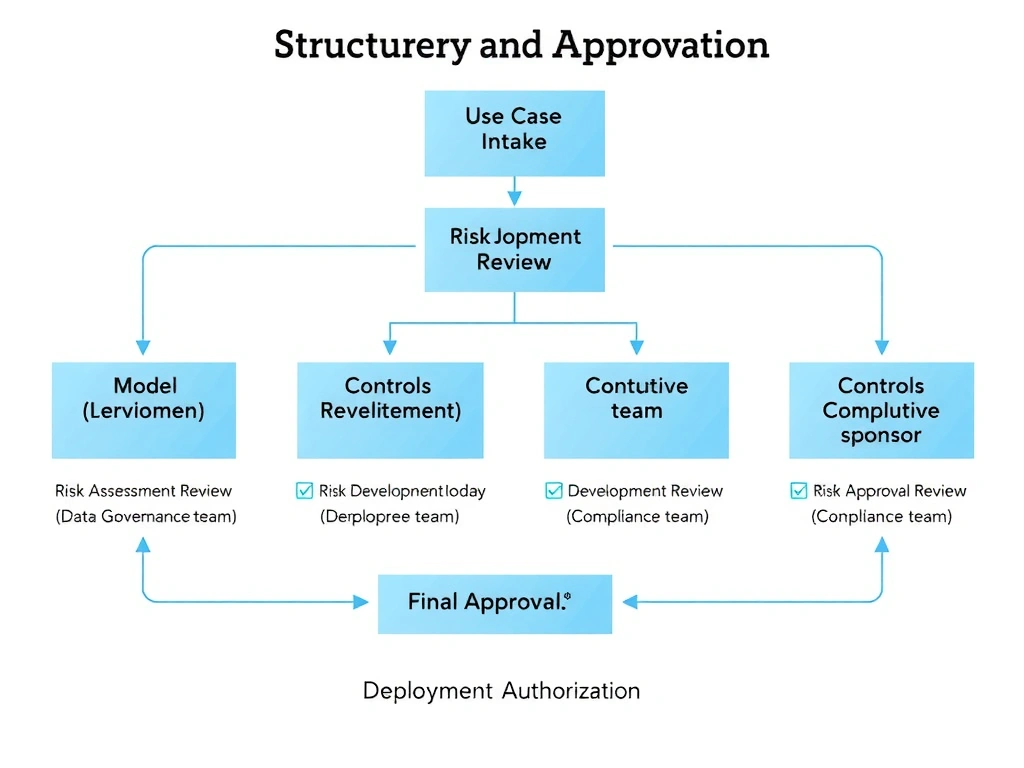
Approval workflows are like building permits—you can't just text the inspector! Use structured workflows to systematically review risk, controls, and get sign-offs at critical moments in the lifecycle. Consistency, traceability, and accountability—that's governance. Make it formal, make it work!
Full explanation below image
Full Explanation
The correct answer is B. Structured approval workflows that review risk assessments, control adequacy, and require documented sign-offs at lifecycle milestones ensure governance is systematic and auditable. Option A is a governance disaster; email threads leave no clear approval trail, lack formal review structure, and hide critical decisions. Option C is backwards; developers must not approve their own high-risk work—that's a conflict of interest and violates basic control principles. Option D is dangerous; high model accuracy doesn't eliminate governance risk—fairness, regulatory compliance, and operational risk exist independent of accuracy. IBM watsonx.governance requires structured approval workflows with clear roles and documented decisions so approvers can be held accountable and auditors can verify the process worked.