
During a design review, an architect asks which choice best matches the IBM guidance. Which approach best demonstrates regulatory alignment in a IBM Certified watsonx Governance Lifecycle Advisor environment?
Select an answer to reveal the explanation.
Short Explanation and Infographic
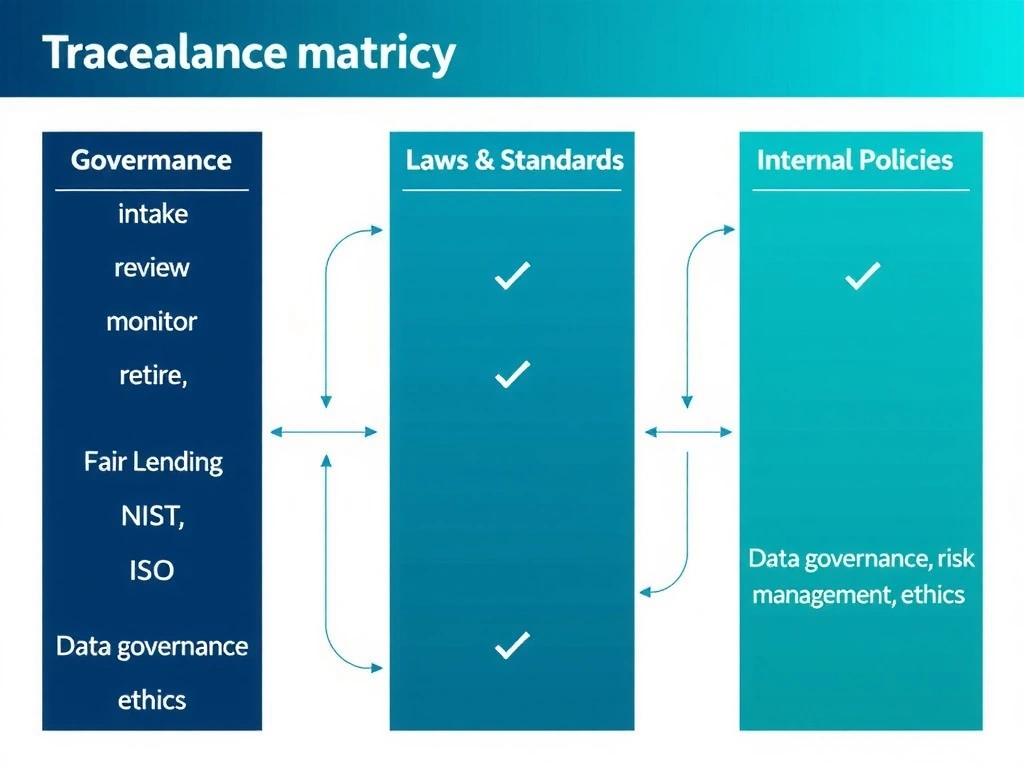
Regulators don't care how fast you moved—they care that you followed the rules! Option D is the winner: explicitly map your governance activities to the laws, standards, and policies that apply to your business. GDPR in Europe? Fair Lending rules in the US? Internal compliance requirements? Document it all. That's the foundation of actually defensible AI governance!
Full explanation below image
Full Explanation
The correct answer is D. Regulatory alignment requires creating a traceability matrix that connects governance activities (intake, review, monitoring) to applicable laws (GDPR, Fair Lending Act, etc.), industry standards (ISO/IEC 42001, NIST AI RMF), and internal policies. This demonstrates accountability and enables auditors to verify compliance. Option A (one-size-fits-all) ignores regional and sectoral differences. Option B (evidence only at deployment) misses upstream controls. Option C (removing docs) destroys audit trails and creates legal exposure.