
During a design review, an architect asks which choice best matches the IBM guidance. For IBM Certified watsonx Governance Lifecycle Advisor, the topic is threshold and alert design. What should the team do?
Select an answer to reveal the explanation.
Short Explanation and Infographic
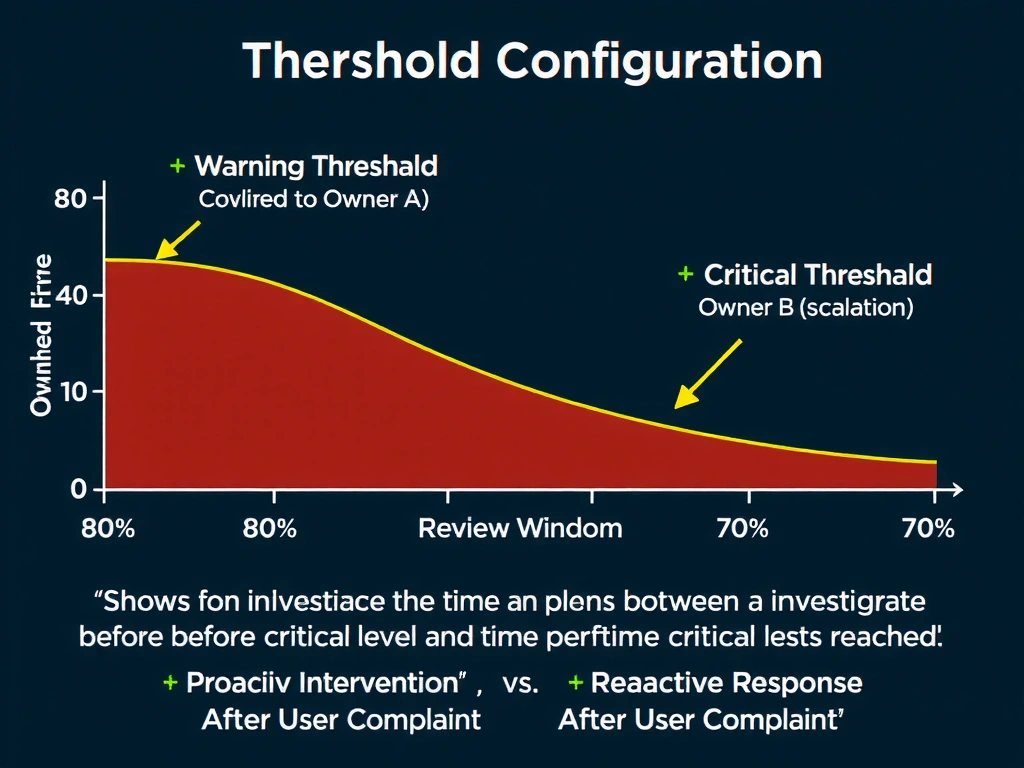
A smoke detector set to alarm only when the house is fully engulfed is useless — early warning is the whole point. Option D captures IBM's intent: configure thresholds and alerts that trigger review before risk becomes operational damage. Complaint-driven response is always too late. Impossible values and unowned alerts are theater, not governance. Real protection means early, targeted, owned alerts — option D every time!
Full explanation below image
Full Explanation
The correct answer is D. Configure thresholds and alerts that trigger review before risk becomes operational damage. aligns directly with the 4.0 Configure Evaluation and Monitoring exam objective and reflects how IBM watsonx.governance operationalizes this practice in enterprise environments. IBM watsonx.governance is designed to provide the tooling, workflows, and evidence collection mechanisms that make AI trustworthy and auditable from intake through retirement. Choosing this option ensures the implementation is both defensible to regulators and maintainable by governance teams across the full AI lifecycle. Option A is incorrect because it applies an overbroad rule that eliminates meaningful differentiation and accountability. Option B is incorrect because it renders the alerting system non-functional by creating unreachable thresholds or routing alerts to no one. Option C is incorrect because it renders the alerting system non-functional by creating unreachable thresholds or routing alerts to no one. On scenario-based exam questions, the correct answer is consistently the one that operationalizes the IBM governance practice with structured controls rather than approximating it with shortcuts, manual workarounds, or oversimplified rules.