
During a design review, an architect asks which choice best matches the IBM guidance. Which approach best demonstrates threshold and alert design in a IBM Certified watsonx Governance Lifecycle Advisor environment?
Select an answer to reveal the explanation.
Short Explanation and Infographic
Think of it like setting up smoke detectors in a building — you configure them before anything can go wrong. Here's the deal: think of threshold and alert design like labeling the cables before you close the rack door. If you skip that discipline, troubleshooting gets ugly fast.
Full explanation below image
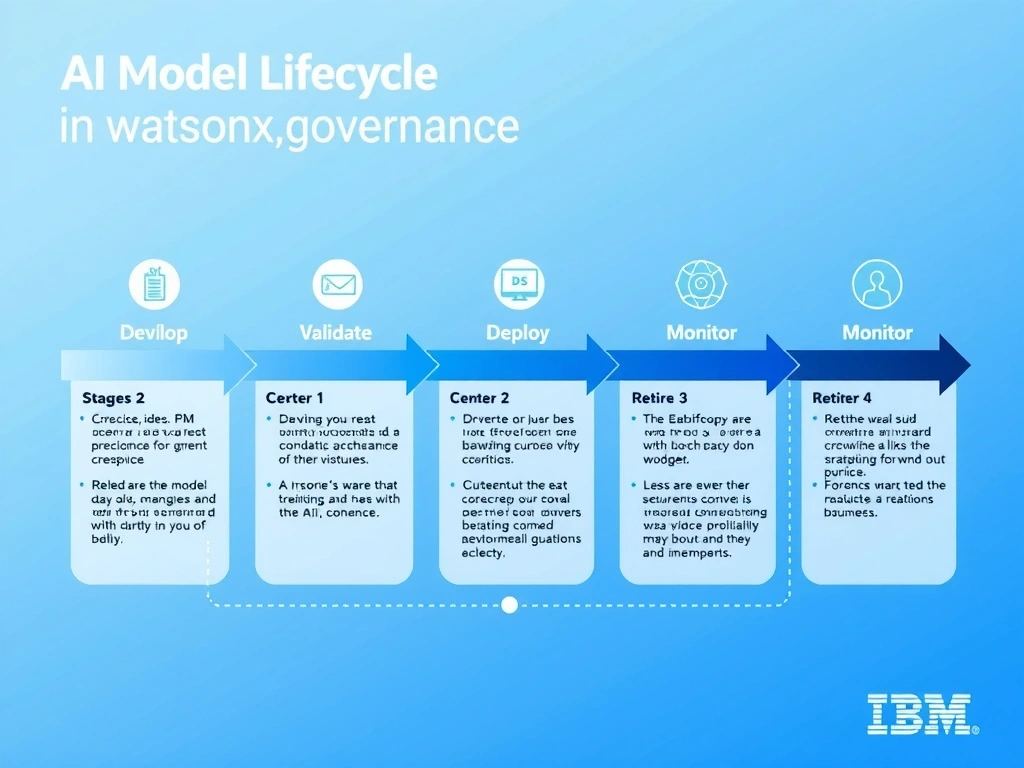
Full Explanation
Here's the deal: think of threshold and alert design like labeling the cables before you close the rack door. If you skip that discipline, troubleshooting gets ugly fast. In this scenario, answer D is the practical move because it keeps the implementation tied to the real IBM capability instead of chasing a shortcut. The other choices sound tempting, but they either skip governance, ignore operational reality, or solve the wrong problem.
The correct answer is D. Configure thresholds and alerts that trigger review before risk becomes operational damage. That aligns with the 4.0 Configure Evaluation and Monitoring objective because it applies the feature or practice in the context where IBM expects a practitioner to use it. It also keeps the design reviewable, supportable, and realistic for a production environment.
Let's examine why the other options are incorrect: - Option A is incorrect because it uses an overbroad rule instead of matching the design to the actual workload and risk. - Option B is incorrect because it uses an overbroad rule instead of matching the design to the actual workload and risk. - Option C is incorrect because it sounds related, but it does not solve the threshold and alert design requirement described in the scenario. For the exam, connect the feature to the operational outcome: the right answer is the one that preserves control, accuracy, and maintainability instead of relying on a brittle shortcut. The incorrect options — such as 'Alert only after every user complains' and 'Set all thresholds to impossible values' — describe either out-of-sequence steps or unrelated configuration tasks. This concept falls under the 4.0 Configure Evaluation and Monitoring domain of the IBM watsonx.governance certification.