
A senior engineer reviews the current plan and notices that one key control is missing. The team is focused on regulatory alignment. Which recommendation is most appropriate?
Select an answer to reveal the explanation.
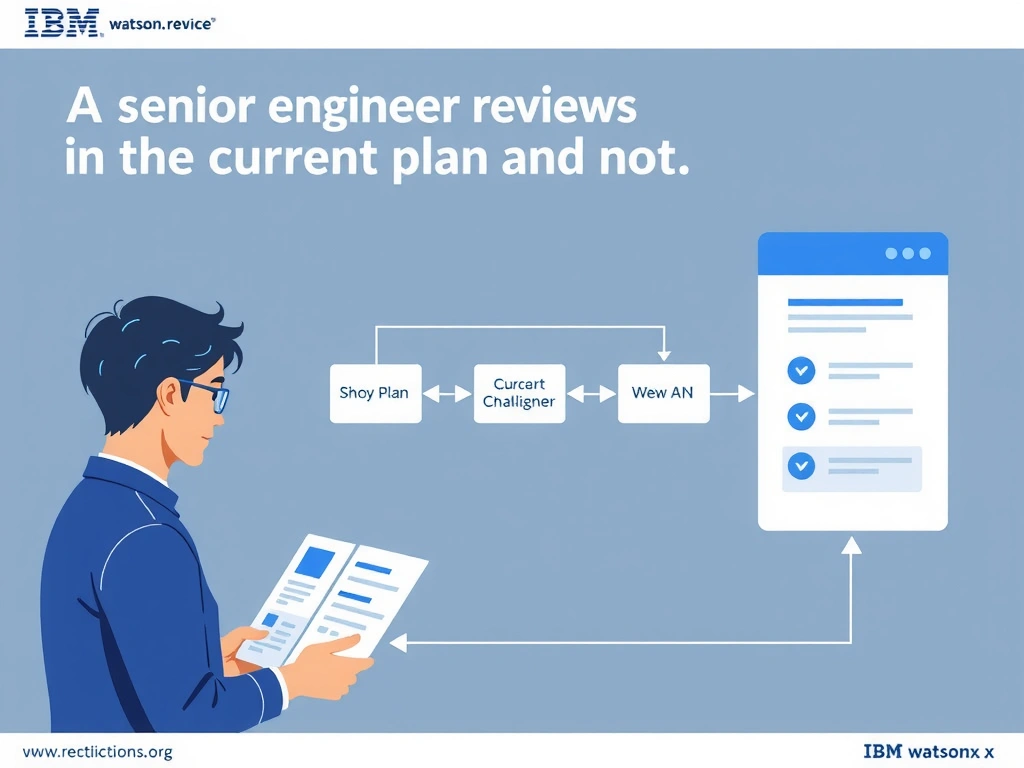
Short Explanation and Infographic
Think of it like a city's zoning laws — you need to know the rules before you can build anything. Here's the deal: regulatory alignment is not just a checkbox; it is the difference between a clean handoff and a late-night recovery call. In this scenario, answer D is the practical move because it keeps the implementation tied to the real IBM capability instead of chasing a shortcut.
Full explanation below image
Full Explanation
Here's the deal: regulatory alignment is not just a checkbox; it is the difference between a clean handoff and a late-night recovery call. In this scenario, answer D is the practical move because it keeps the implementation tied to the real IBM capability instead of chasing a shortcut. The other choices sound tempting, but they either skip governance, ignore operational reality, or solve the wrong problem.
The correct answer is D. Map governance activities to relevant laws, standards, and organizational policies. That aligns with the 1.0 AI Governance Overview objective because it applies the feature or practice in the context where IBM expects a practitioner to use it. It also keeps the design reviewable, supportable, and realistic for a production environment.
Let's examine why the other options are incorrect: - Option A is incorrect because it uses an overbroad rule instead of matching the design to the actual workload and risk. - Option B is incorrect because it skips the control or validation that makes regulatory alignment reliable in production. - Option C is incorrect because it sounds related, but it does not solve the regulatory alignment requirement described in the scenario. For the exam, connect the feature to the operational outcome: the right answer is the one that preserves control, accuracy, and maintainability instead of relying on a brittle shortcut. The incorrect options — such as 'Assume one policy fits every jurisdiction' and 'Ignore audit evidence until deployment' — describe either out-of-sequence steps or unrelated configuration tasks. This concept falls under the 1.0 AI Governance Overview domain of the IBM watsonx.governance certification.