
A project lead is turning a proof of concept into a governed production workflow. The team is focused on data retention. Which recommendation is most appropriate?
Select an answer to reveal the explanation.
Short Explanation and Infographic
Here's the deal: think of data retention like labeling the cables before you close the rack door. If you skip that discipline, troubleshooting gets ugly fast. In this scenario, answer D is the practical move because it keeps the implementation tied to the real IBM capability instead of chasing a shortcut.
Full explanation below image
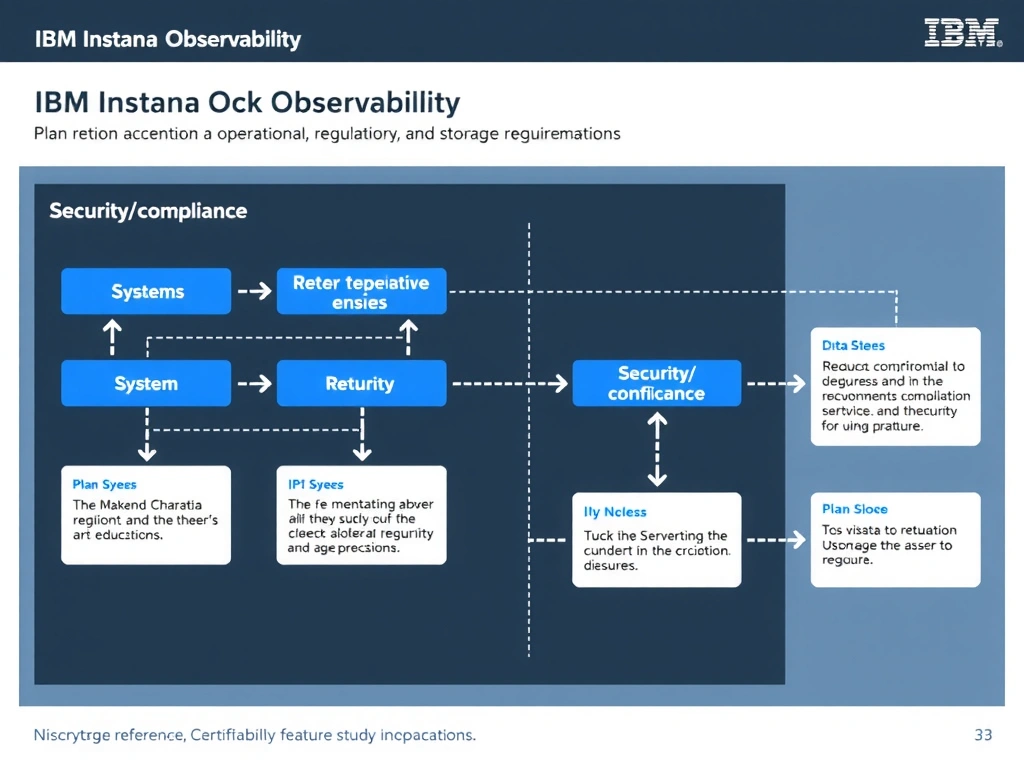
Full Explanation
Here's the deal: think of data retention like labeling the cables before you close the rack door. If you skip that discipline, troubleshooting gets ugly fast. In this scenario, answer D is the practical move because it keeps the implementation tied to the real IBM capability instead of chasing a shortcut. The other choices sound tempting, but they either skip governance, ignore operational reality, or solve the wrong problem.
The correct answer is D. Plan retention according to operational, regulatory, and storage requirements. That aligns with the Domain 7: Security/Compliance objective because it applies the feature or practice in the context where IBM expects a practitioner to use it. It also keeps the design reviewable, supportable, and realistic for a production environment.
Let's examine why the other options are incorrect: - Option A is incorrect because it uses an overbroad rule instead of matching the design to the actual workload and risk. - Option B is incorrect because it removes visibility or governance at the exact point where the team needs it most. - Option C is incorrect because it sounds related, but it does not solve the data retention requirement described in the scenario. For the exam, connect the feature to the operational outcome: the right answer is the one that preserves control, accuracy, and maintainability instead of relying on a brittle shortcut. The correct answer is 'Plan retention according to operational, regulatory, and storage requirements.'. The incorrect options — 'Keep everything forever without cost planning', 'Delete telemetry immediately after alerting', 'Set retention by application logo' — are wrong because they do not align with IBM Instana's architecture or recommended practices for this scenario. Understanding this concept is essential for the Domain 7: Security/Compliance domain of the IBM Instana Observability certification.