
During a design review, an architect asks which choice best matches the IBM guidance. The team is focused on Data manager. Which recommendation is most appropriate?
Select an answer to reveal the explanation.
Short Explanation and Infographic
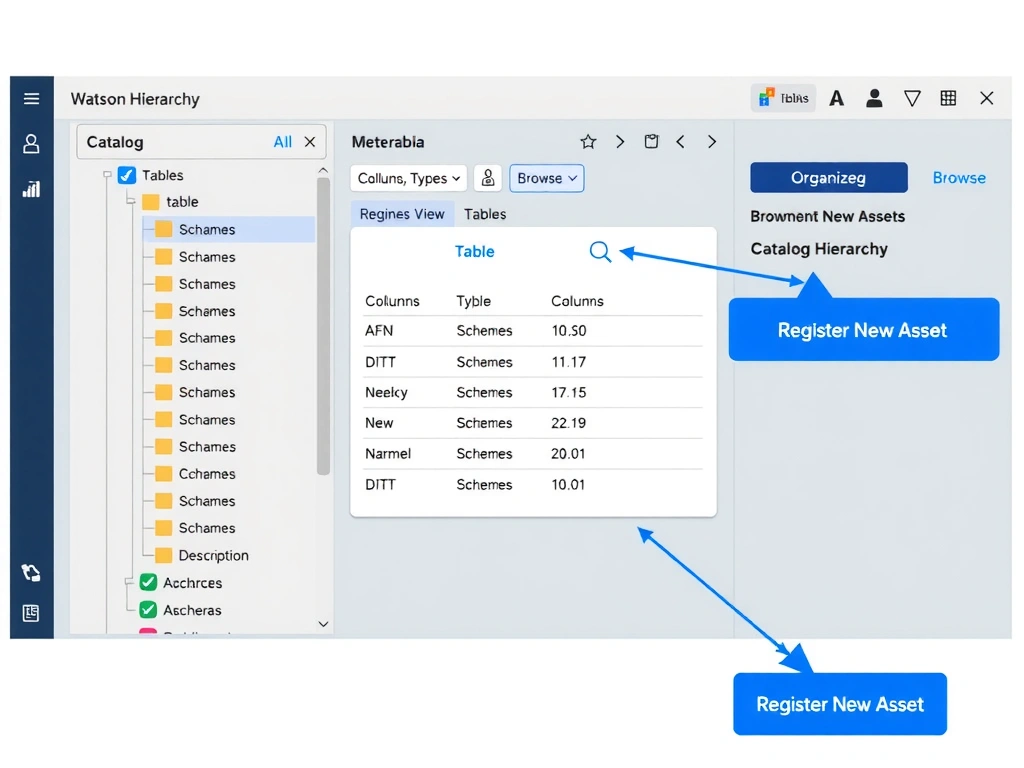
Here's the deal: Data manager in IBM watsonx.data is your command center for everything data-asset related. Think of it like a card catalog at a library — without it, you might know the books exist, but you can't find them, can't check them out properly, and can't track who has what. Browsing, registering, organizing, and managing your lakehouse assets is exactly what Data manager is built to do.
Full explanation below image
Full Explanation
IBM watsonx.data's Data manager provides a unified UI for browsing registered data assets, adding new tables and schemas, organizing data into catalogs, and managing metadata across the lakehouse. The correct answer — using Data manager to browse, register, organize, and manage lakehouse data assets — reflects how IBM intends practitioners to maintain data discoverability and catalog hygiene. Using Data manager only for user password resets (Option A) is a complete mischaracterization of its purpose; user management belongs in IAM and identity services, not Data manager. Managing table metadata through email requests (Option C) creates a bottleneck, introduces delays, and produces no auditable record of metadata changes. Avoiding registration so data remains 'discoverable' (Option D) is backwards: unregistered data in object storage is invisible to catalog tools, query engines, and governance policies — registration is what makes data discoverable, not what prevents it. The Data manager is the operational hub for lakehouse asset governance and must be used systematically in any production environment.