
A senior engineer reviews the current plan and notices that one key control is missing. Which approach best demonstrates data transformation in a IBM Certified watsonx Data Lakehouse Engineer environment?
Select an answer to reveal the explanation.
Short Explanation and Infographic
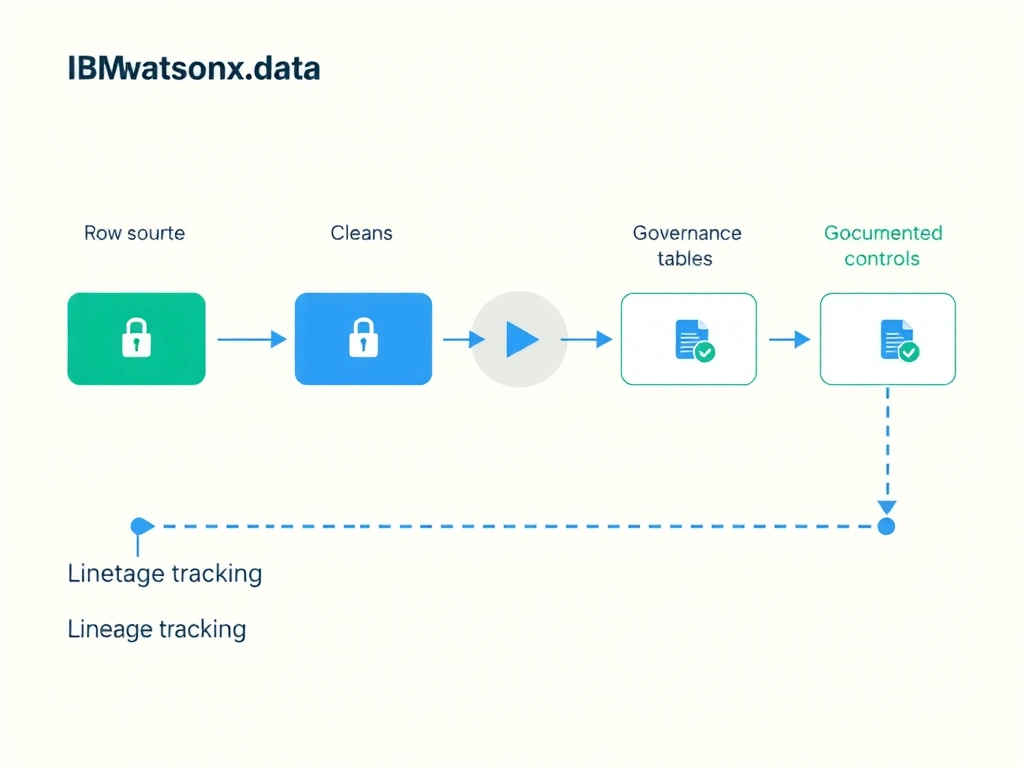
Here's the deal: raw data is like a bag of uncut diamonds — valuable, but useless until you refine it. In IBM watsonx.data, data transformation belongs in controlled, documented pipelines — not ad hoc notebooks or manual spreadsheet edits. Think of it this way: if your downstream team can't trace where a number came from, you don't have data quality, you have data anxiety.
Full explanation below image
Full Explanation
IBM watsonx.data supports data transformation through governed pipelines that ensure reliability, auditability, and quality for consumers. Transforming data in controlled pipelines (the correct answer) means changes are version-controlled, testable, and reproducible — critical for enterprise data products. Hiding transformations in personal notebooks (Option A) creates shadow data pipelines that break when the analyst leaves and are invisible to governance tools. Manually transforming production data in spreadsheets (Option B) introduces human error, lacks lineage tracking, and violates every data governance principle IBM builds watsonx.data around. Avoiding testing transformations because SQL succeeded once (Option C) is like skipping safety checks because the previous flight landed — one edge case will eventually surface broken data downstream. The certification expects engineers to design pipeline-based transformations with proper metadata, lineage capture, and quality validation built in.