
A designer building an e-commerce assistant has identified four candidate intents: track_order, order_status, where_is_my_package, and delivery_update. Analysis shows all four represent users wanting to know the current status or location of their shipment. What is the BEST practice for the intent taxonomy?
Select an answer to reveal the explanation.
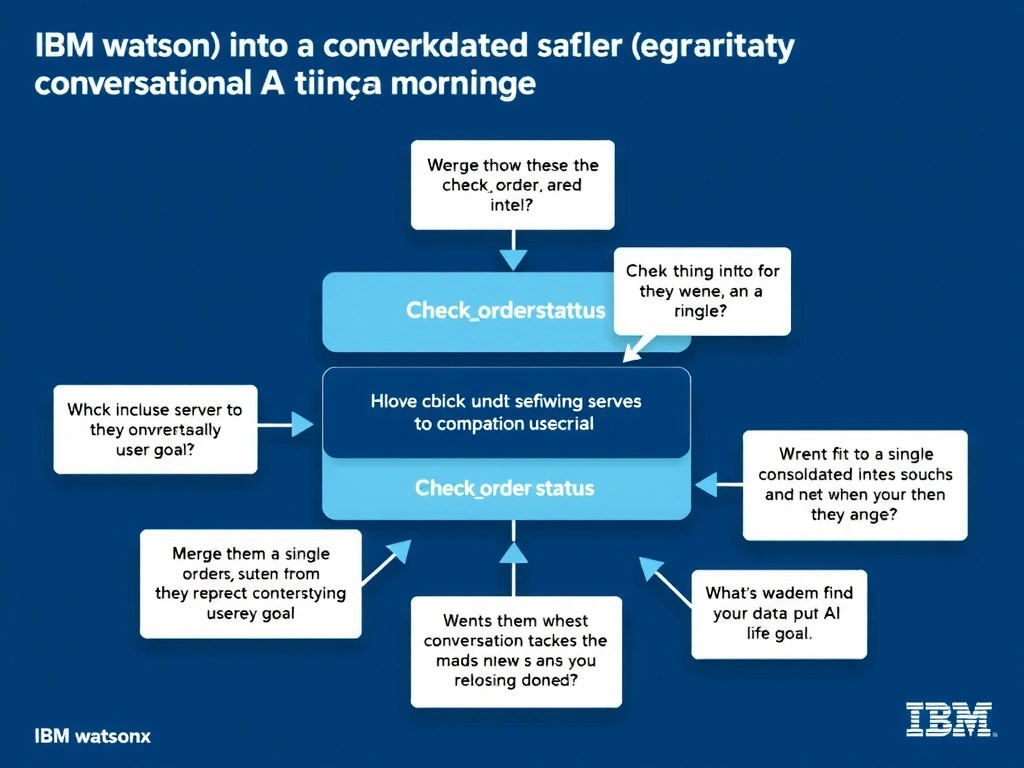
Short Explanation and Infographic
Todd Lammle: 'Imagine you're building a chatbot and this exact situation comes up — merge them into a single consolidated intent such as check_order_status since they represent the same underlying user goal is your go-to move. Intent taxonomy best practice groups utterances that reflect the same user goal into one intent, using all variant phrasings as training examples. This is a classic Domain 2: Conversational AI Design concept you'll want locked in before exam day.'
Full explanation below image
Full Explanation
Intent taxonomy best practice groups utterances that reflect the same user goal into one intent, using all variant phrasings as training examples. Having multiple intents for the same need fragments training data, reduces model confidence, and complicates maintenance. A disambiguation dialog for synonymous intents adds unnecessary friction. The correct answer, "Merge them into a single consolidated intent such as check_order_status since they represent the same underlying user goal", directly satisfies the scenario because it aligns with watsonx Assistant's design principles and the specific capability being tested. The incorrect options ("Retain all four as distinct intents to maximize specificity and avoid any coverage overlap between them", "Delete three intents arbitrarily and train only on track_order to simplify the model configuration", "Create a disambiguation dialog that asks users which of the four intents they meant each time any variant is triggered") may appear relevant but each misses a key requirement or introduces a step that is either unnecessary or belongs to a different workflow. Mastering the distinction between these approaches is essential for effective watsonx Assistant implementations and is a core focus of the Domain 2: Conversational AI Design section of the certification exam.