
After a carpenter strains a shoulder lifting drywall sheets on site and receives a clinic prescription, a regional manager suggests recording the injury as a weekend sports strain to protect the branch safety rate. What is the foreman's most ethical response?
Select an answer to reveal the explanation.
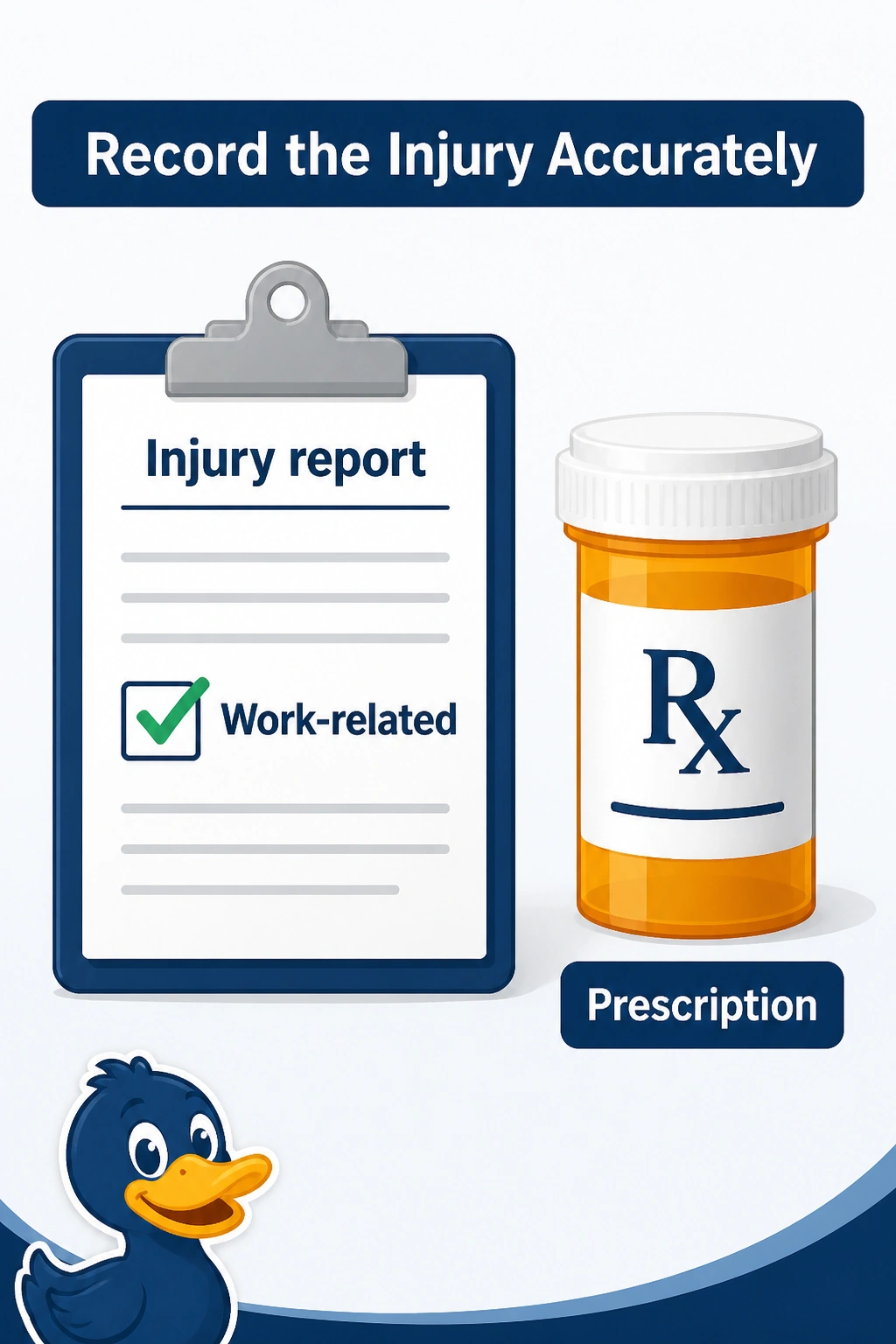
Short Explanation
Safety metrics are supposed to be a mirror, not a makeup kit you adjust to look good for corporate. The trap is bowing to pressure to hide a legitimate work injury, which destroys trust and violates both integrity and recordkeeping rules.
Full Explanation
Under BCSP Code of Ethics principles of honesty and integrity, as well as OSHA 29 CFR 1904 recordkeeping requirements, work-related injuries resulting in medical treatment beyond first aid—such as prescription medication—must be documented truthfully. Selecting Report and record the injury accurately as work-related per policy upholds ethical leadership and ensures the underlying material-handling hazard is investigated. Choosing Record the injury as off-duty only if the carpenter agrees to use personal insurance is unethical collusion and constitutes falsification of injury records. Choosing Leave the incident off the company log until the carpenter misses three full shifts misunderstands recordkeeping triggers, because medical treatment beyond first aid makes a case recordable even without lost workdays. Choosing Ask the clinic physician to rewrite the work restriction as voluntary light duty pressures a healthcare provider to alter clinical judgment and misrepresents the worker's true limitations. One caveat is that supervisors should communicate work restrictions privately to protect medical confidentiality while still ensuring accurate administrative reporting. As an operational check, submit the incident report promptly through your safety department and review drywall-handling controls with the crew.
Prefer to study offline? Printable PDF study book + test engine ($7.50, unofficial). These questions stay free here.