
During an outage, an engineer creates an unencrypted debug zip and database backup containing customer payloads from a civic AppDynamics-linked app. Why is that still a privacy concern?
Select an answer to reveal the explanation.
Short Explanation
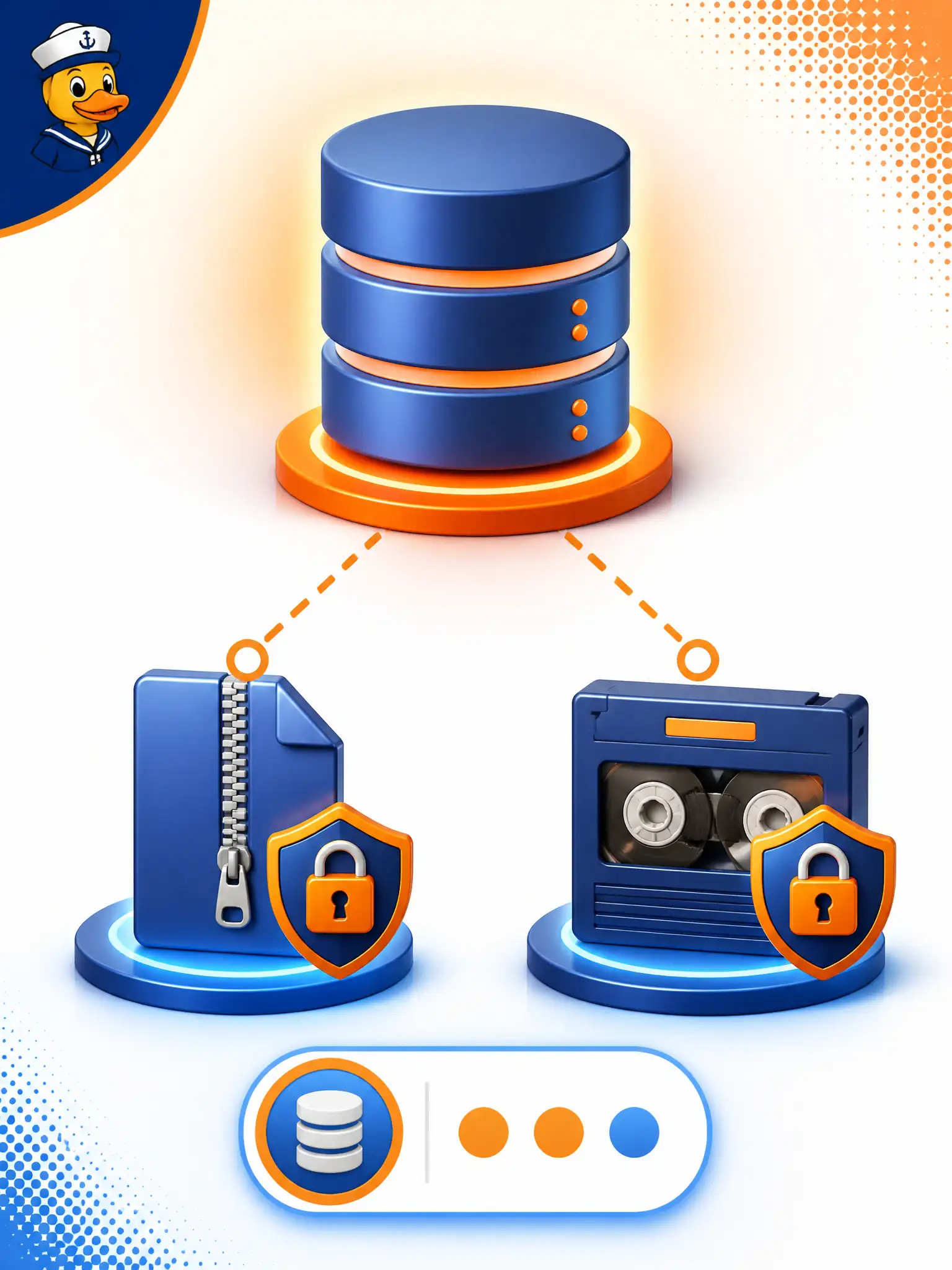
A debug zip is still a filing cabinet—calling it ‘just troubleshooting’ does not erase the customer payloads inside. Backups and dumps need the same privacy care as primary stores.
Full Explanation
Debug zips and unencrypted backups are still stored data and remain subject to privacy controls. Troubleshooting intent does not anonymize customer payloads automatically, and secondary copies often escape the hardening applied to primary disks in the civic estate. Declaring support artifacts exempt because they are “temporary by intention” fails when zips linger on laptops, tickets, and shared drives long after the incident closes. Counting only production primary disks and excluding backups from privacy review ignores the copies attackers and insiders often prefer because they are less monitored. Assuming troubleshooting purpose automatically anonymizes customer payloads in any archive is wishful—raw content stays raw until you scrub, tokenize, or encrypt it under policy. Exam caveat: encrypt backups and apply the same retention and access reviews used for primary stores; temporary must have an enforced expiry, not a hope that someone deletes the zip. Operational check: inventory recent debug bundles and backup targets for the civic application, confirm encryption and access lists, and scrub or delete any bundle that contains unnecessary customer payloads. Record the outcome in the release or incident notes so the next operator inherits evidence, not tribal knowledge.